Bhakti – devotion to the divine – is based on another interpretation of Vedanta: that the soul and the Divine are not One, but inexpressibly, mysteriously, both One and distinct, allowing for a relationship of love. This loving devotion, bhakti, is expressed through songs, hymns, offerings, dances, and plays.
Where an image of the divine is present and loving worship upon that image is sought, singing, dancing and praising the divine, the Lord Jesus Christ, who is forever in our hearts and whose presence grows stronger throughout proper practice and offerings to him.
Notice how the Lord works through you after your devotional practice, bringing about solutions to your unconscious mind while you sleep.
If this works for you, don’t forget to share it with others, either by attending a spiritual ceremony, or group and testifying how the love of Christ was present within you while you performed your strict devotion to him.
King Benjamin addresses his people – He recounts the equity, fairness , and spirituality of his reign – He counsels them to serve their Heavenly king – Those who rebel against God will suffer anguish like unquenchable fire.
New Testament, Luke 3:16.
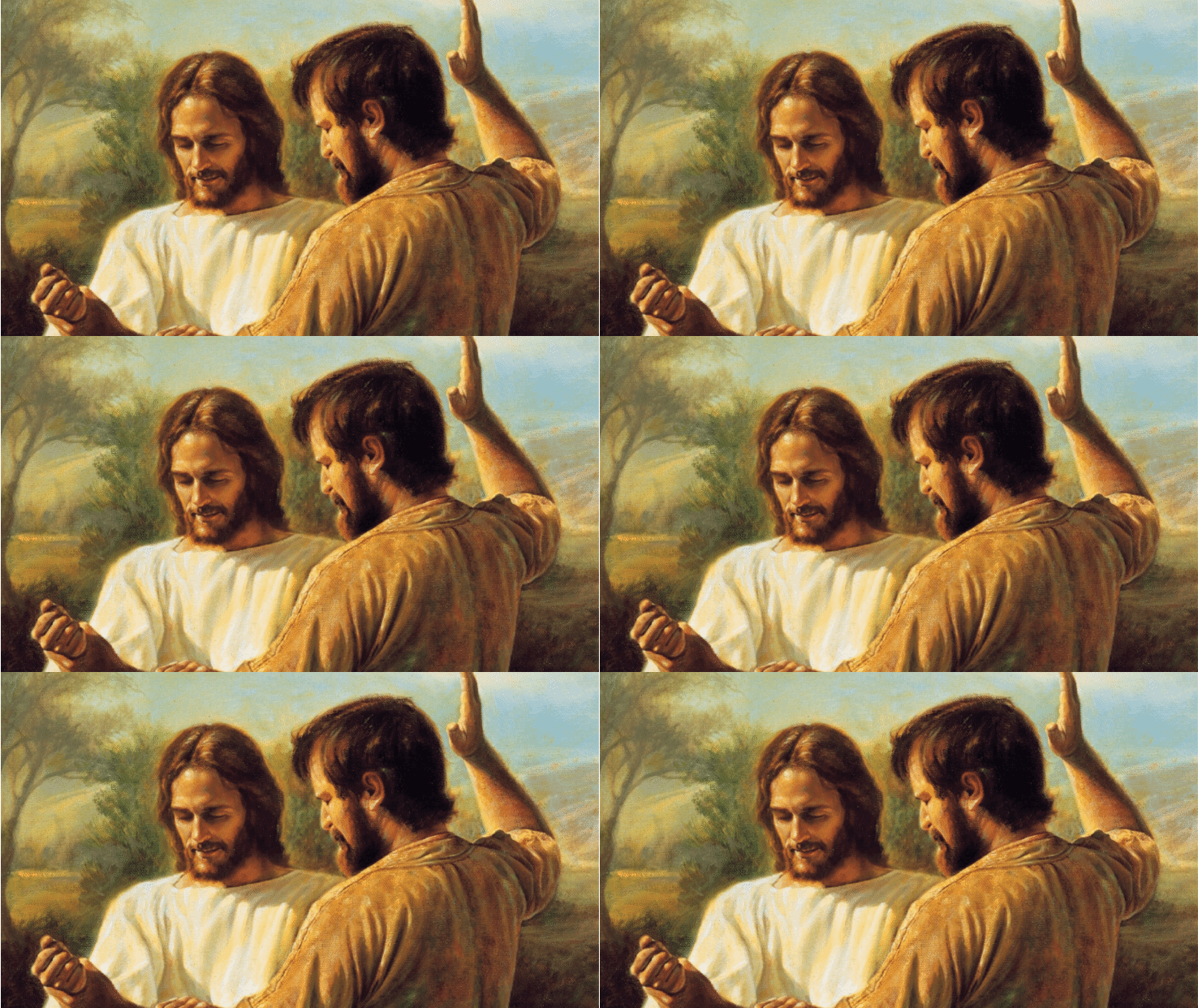
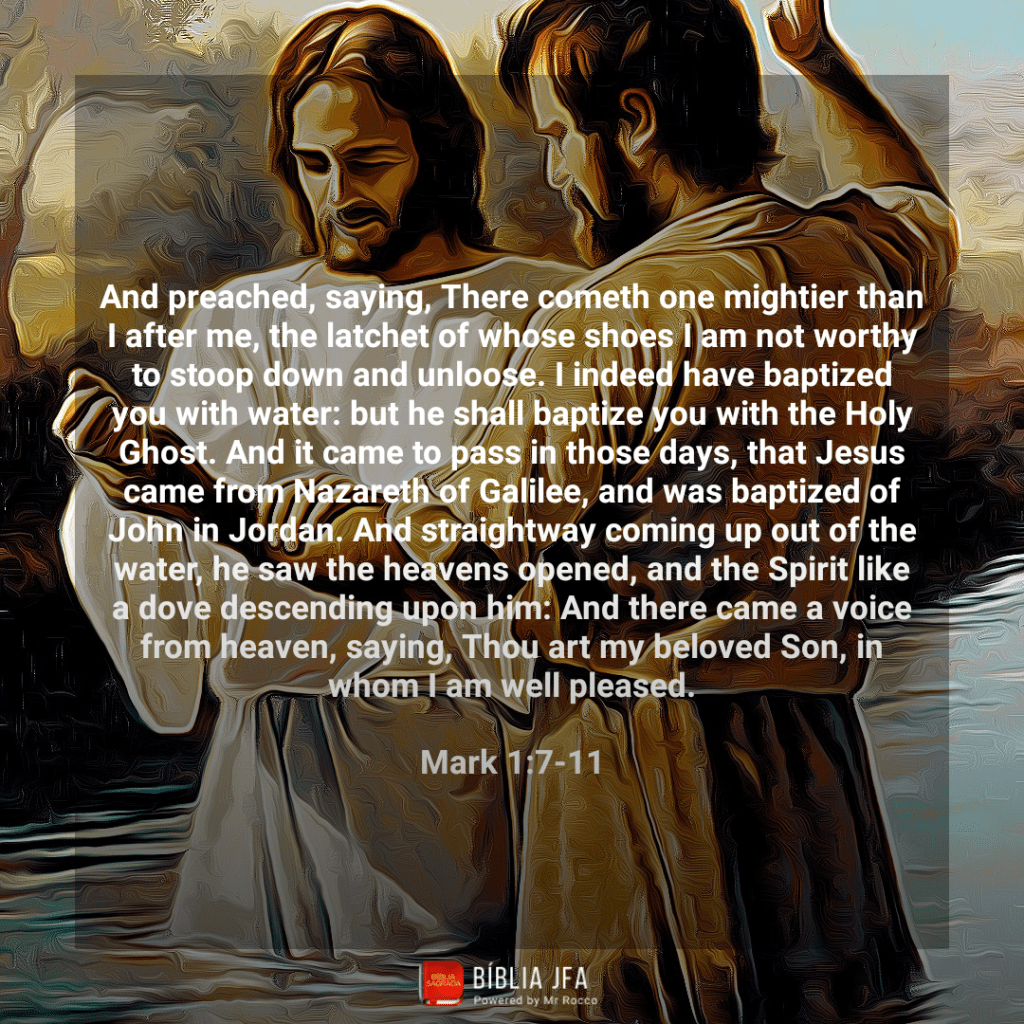
“John answered them all, saying, “I baptize you with water, but he who is mightier than I is coming, the strap of whose sandals I am not worthy to untie. He will baptize you with the Holy Spirit and fire.”
Why in both passages from the Book of Mormon and the gospel according to Luke, is God or one mightier referred to as being of or coming with fire.
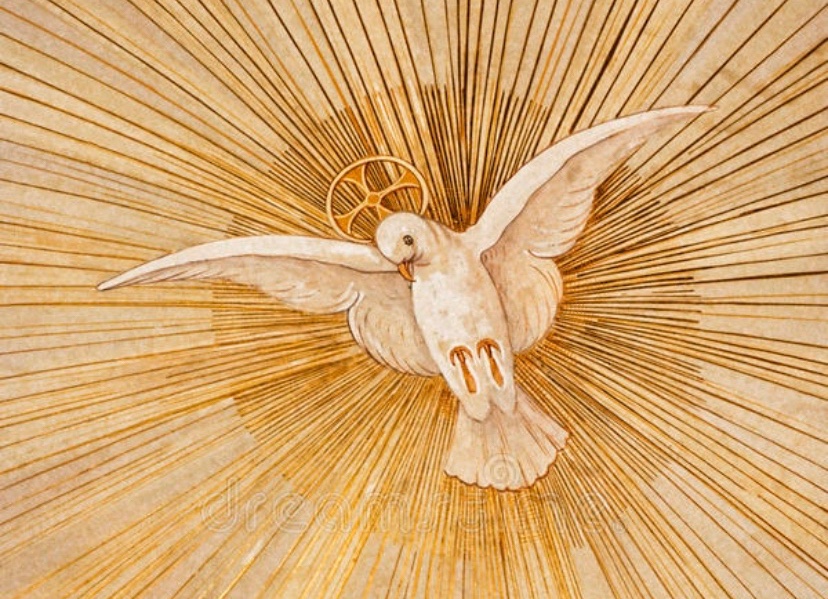
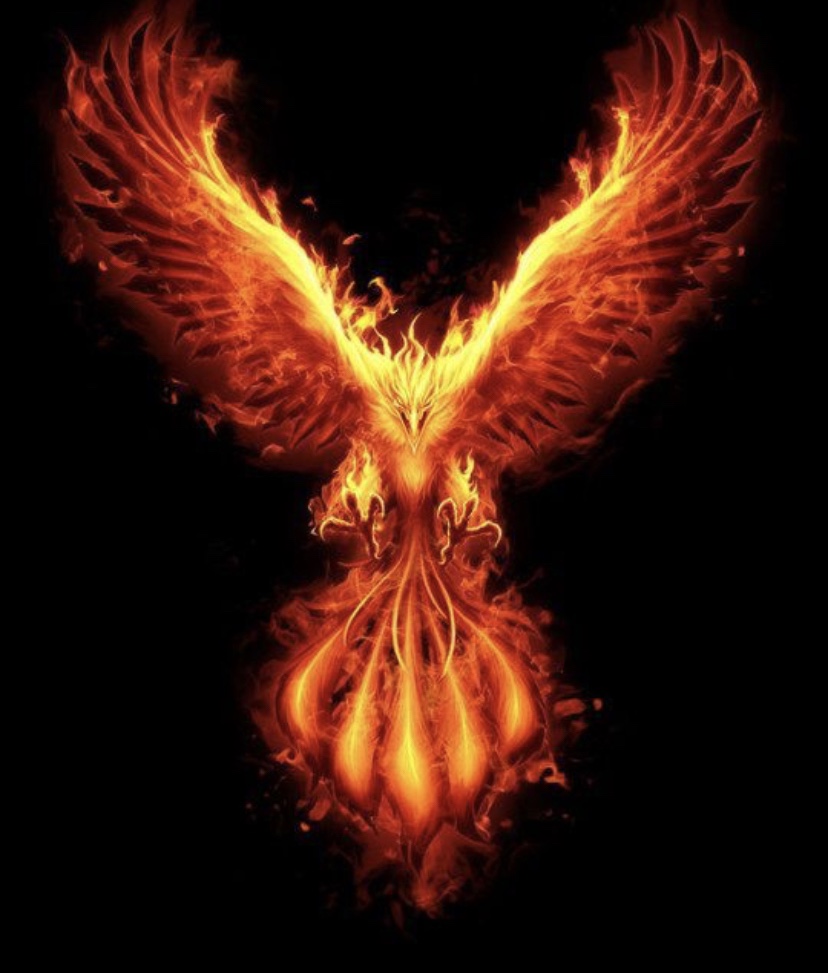
Dove of peace.Phoenix, Quetzalcoatl.
Within many Christian churches, images of doves coming in flames are displayed, while we can see within mythology the Phoenix which comes alight to burn the ego self.
Perhaps we can look to Far Eastern spiritual symbolism and apply it to Christian images when trying to understand this topic.
We might ask ourselves the question, if a Hindu seen the image of Christ walking on water, what would it mean to them ?
Could this image have a totally different meaning when viewed from another view point.
In Hindu spiritual and Far Eastern spiritual philosophy, water represents the sacral, sexuality and creativity, so from the perspective of someone from this background they may look upon the image of Christ and reflect upon an inward meaning, perhaps meaning he has risen above the sacral and is therefore celibate.
And if he is not in the sacral and above it, he must be in the next energy centre, which is the solar plexus and which is governed by the element of fire.
This is interesting as we can see from two passages, one from the Book of Mormon and the other from the Bible, describing how Christ or God comes with fire.
Why a dove?
But why is it that the dove is on fire?
Another interesting conclusion I came to while observing the image of Christ walking on water, draw me to a natural viewpoint, perhaps an observation a tribal member from another country might take while looking at the image of Christ walking on water.
We can read in revelation 22:16, how Jesus declares himself the bright morning star.
““I, Jesus, have sent my angel to testify to you about these things for the churches. I am the root and the descendant of David, the bright morning star.””
This description of Quetzalcoatl actually matches the description of a dove or Satan, being a snake in the garden of Eden and a creature with wings.
Quetzalcoatl / kukulkan.
While observing these pictorial similarities between the dove, Satan and Quetzalcoatl and wondering why Christ, lucifer and this feathered serpent were all referred to as the morning star, asking myself if the feathered serpent was a bird and a reptile, it would be easy to come to the conclusion that these two animals were the only two which could give you the impression they could walk on water, both having webbed feet and both being able to lay eggs and that the image of Christ walking on water actually alludes to this idea that Christ is actually the feathered serpent or the dove on fire.
Chi – riseth in the Zodiac.
While since 2012 it had been commented upon by all faiths how we are all going through a conscious change, Hindus called it the changing form kali to Satya Yuga, others called the changing to the age of Aquarius or the second coming of Christ.
All described major changes astrologically in these times.
This change will eventually rise within us as a dove on flames, either as Christ or Satan depending on where we are at mentally, emotionally, spiritually etc and whether we have done the necessary work to let go of bad habits and not hold on to hurt or wanting to serve our own selfish interests, choosing to change our hearts and mind and think for others instead of ourselves.
Christ was born under a star, where it would not have been possible for the three wise men to find him otherwise, referring to the constellations.
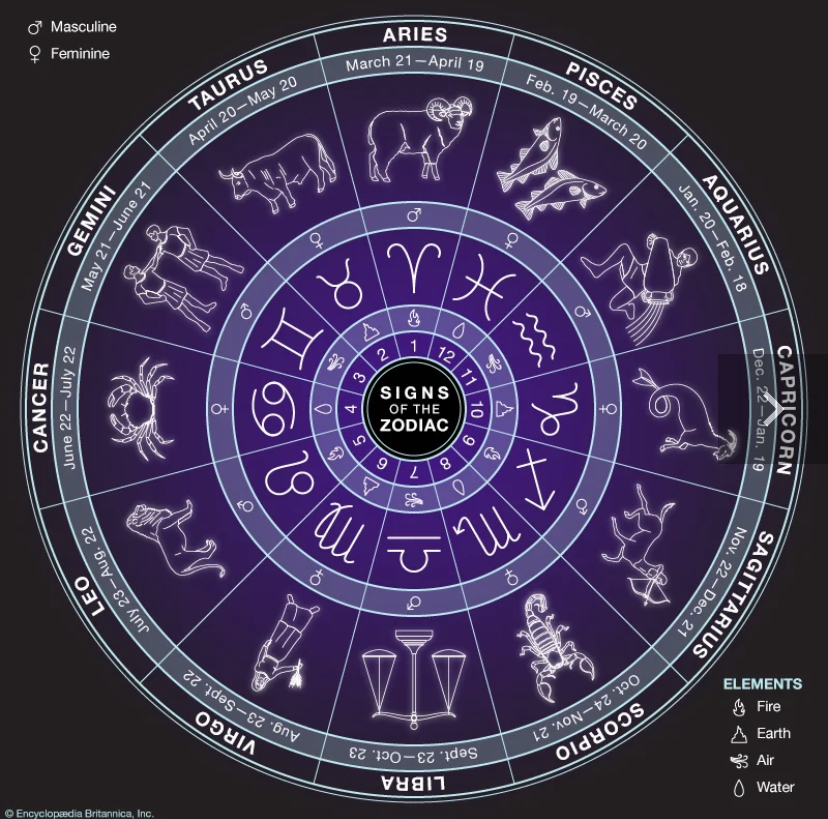
It is interest to observe the following two images, how the signs for the constellations are reflected in both images and how each constellation represents a chakra or energy centre within the body, how these energy centres are influenced by the constellations on a yearly basis ascending and descending through our internal spiritual system.
From this perspective Pisces is the third constellation in our zodiac and puts us in the third energy centre and is possibly why Christ is said to belong to the age of Pisces or born on the 25th December in Sagittarius, either as the first and one God or the thrine God.
1 or 3, G – O – D / 1 – 2 – 3.
Pisces being the third zodiac puts us in the third chakra and also alludes to Christ’s association with fire.
This puts us also within the womb and refers to the living God.
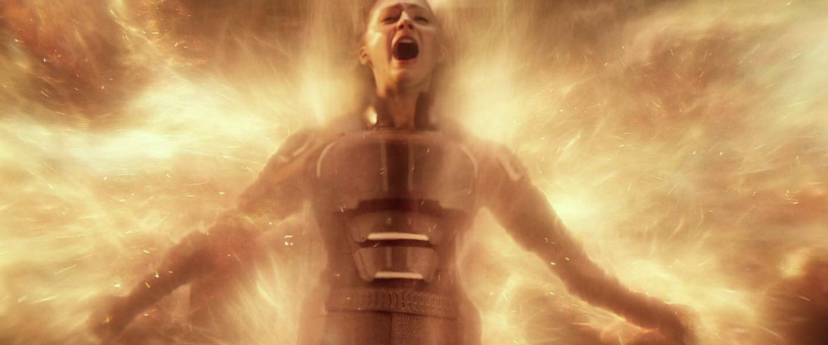
Also the sign governing Aquarius is female and may point us to the demise of a male orientated church and the rise of the female, which could be why the Phoenix in the film “X-men apocalypse “ is a woman – gene grey – , who destroys the man of blue of the sixth chakra, ego or mind.
Halo.
Interestingly the halo within Christian artwork is often displayed as being a yellow colour and is often depicted with three spokes of light, which is the colour of the third energy centre.
Could the halo allude to the illumination of the third or whole eye and the third chakra, referring also to light, the sun and our solar system.
Depicting the idea that the solar plexus is named so because of its association with our solar energy and why Christ is sometimes referred to as a solar deity.
Putting us again in the third energy centre and on fire.
While abstaining from wants and desires below eventually awakens the solar plexus to bring in knew energy, particularly from the mind and there in lies the battle over our minds and souls.
Notice now where the arms and legs come into the body, the legs merge in just above the sacral and into the solar plexus, while the arms merge in just above our hearts, feeding information back to our brain or third eye when we awaken our third chakra.
The hands and feet are actually antennae for the solar plexus and third eye, this is why it is so important to understand how your hands and feet play such a role in the salvation of your soul and where they are placed.
If your hands are always facing downwards, your thoughts are inclined to the material world, while placed together in prayer or meditation they are inclined to your heart.
A simple switch in hand positions while engaging in prayer or meditation will bring noticeable changes in your dreams.
From being immersed within the chaos of the dream to being the observer.
While hands pointed to the sky in joyful adoration, bring about thoughts of the Lord.
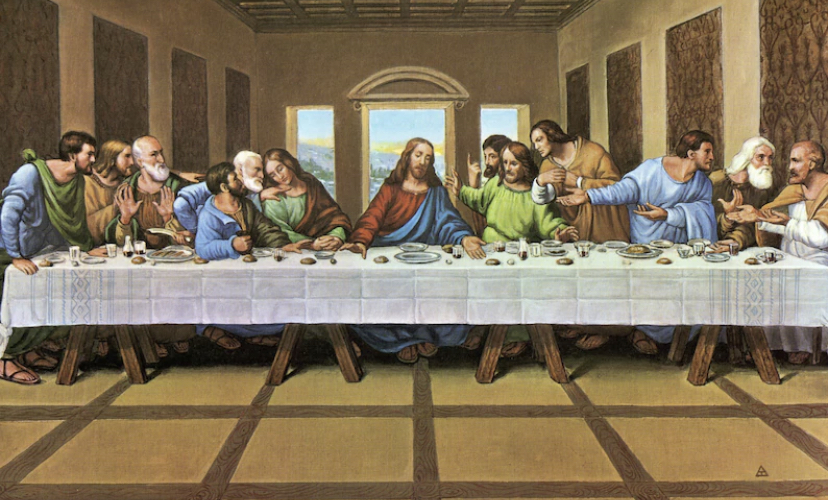
“Last Supper” by Leonardo Da Vinci.
Notice the hand positions within the painting “The last Supper”, by Leonardo Da Vinci.
Is he Christ or Satan, is he risen?
While asking this question, is a pastor or artist of religious imagery a Christ like being or luciferian, we may be able to answer this question while observing images of the halo worshipped.
Interestingly not all images of Christ have yellow halo’s, some are white and may point us toward a higher calling and that of the heart and not of the
What does it meaning Golden Retriever in the dream?
This breed of dog is one of the most loyal and adaptive of all breeds. The golden retriever can be a seeing-eye dog or a cherished family pet.
If you own or have ever owned this breed of dog, you will know this. However, the dream may have a more personalized meaning for you.
If you have never owned one of these dogs, this dream almost always indicates a fiercely loyal companion. It could be a friend or the loyal companion of a friend. Depending on your particular situation, golden retrievers can be a good omen to proceed towards a goal with a trusted friend.
Dreaming of a golden retriever you remember their constant bark, you will keep in mind the vicinity of some danger or casual accident.In a dream, this obedient animal can represent some relative or friend that it misses, as well as something or somebody that you adore a lot and that now it is far from you. Their image is expression of help and affection like faithful friend of good and bad times.
Dogs can sniff things out, or in your case to “retrieved” something that has now been found. This may be relating to your natural drives, behaviors and instincts; a masculine energy that can be underdeveloped if a puppy emerges. They may also reflect kind, loving or compassionate guides, friends and people in your life.
To dream of the universe represents an overwhelming feeling of a lack of importance. Feeling that issues or situations are not as serious as you thought they were. Seeing the bigger picture.
Alternatively, the universe in a dream may reflect your feeling that we are all interconnected in some way. Feeling that problems you have or bad relationships are not really that important when you look at them from a bigger perspective.
Negatively, the universe may reflect anxiety about a situation being too important or that everything in your life depends on one thing. Feeling pressure that too many people will be effected by your actions if you aren’t perfect. Feeling that you are too important.
Example: A man dreamed of seeing the universe inside a human heart. In waking life he was starting to forgive someone and started to believe that all people make mistakes so his hatred wasn’t that important anymore.
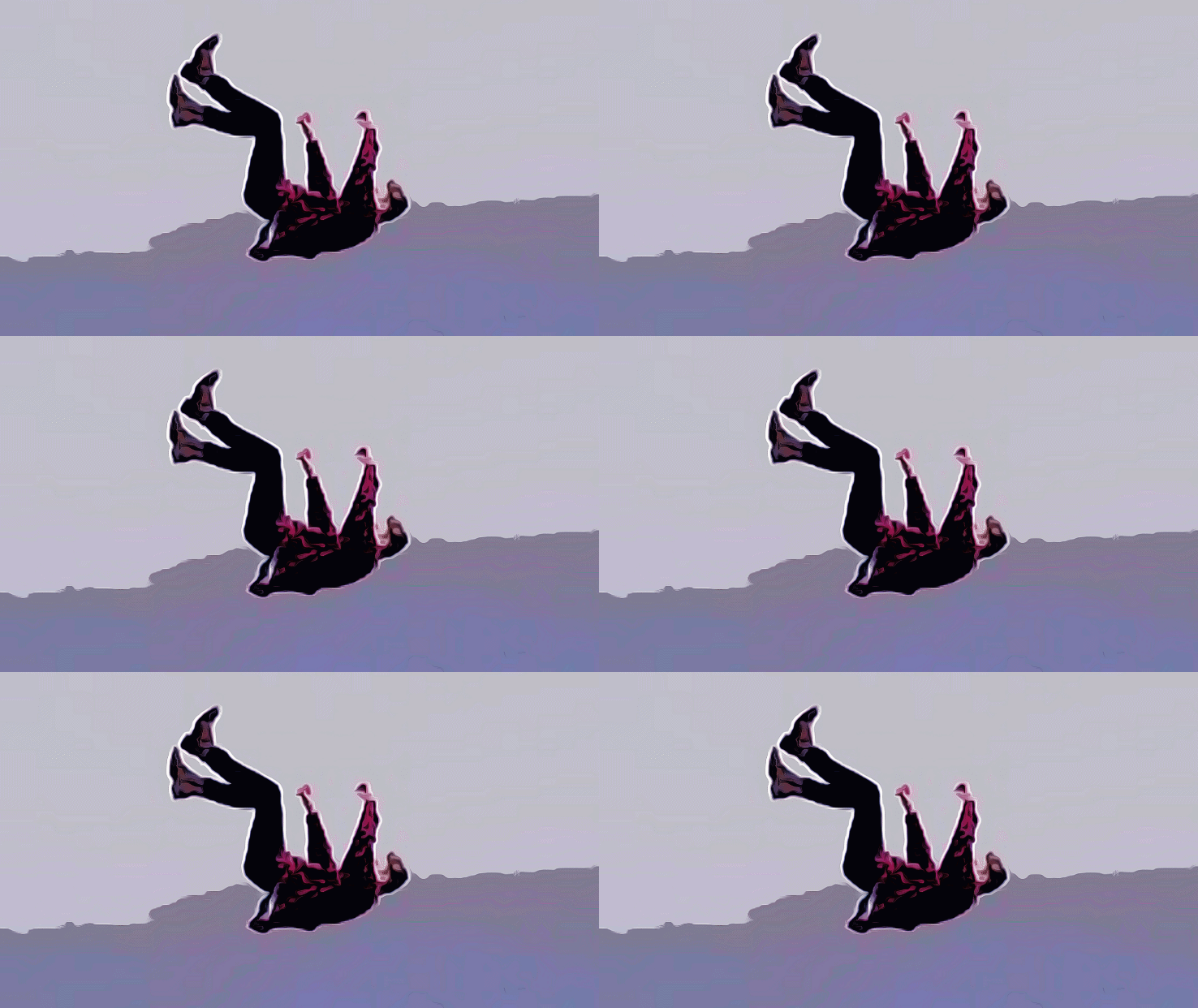
Falling dreams may have a physiological foundation. Blood pressure and heart rate drop as the body drifts further into sleep and the neurological system quiets, and this physiological transition of “falling” asleep can induce a falling dream, in which the dreamer “jerks” up.
Falling is the dreamer’s mind’s metaphorical way of alerting you to a scenario in your waking life when you feels out of control or where things are truly heading downhill.
Dreams of yourself falling
Falling dreams may reflect feelings of helplessness or rejection. Dreaming of falling could mean that you feel:
insecure or unstable
inadequate or inferior
anxious
overwhelmed
out of control
Being pushed off a cliff could mean that you don’t feel secure with others or with unseen forces. Tripping and accidentally falling off a cliff might say that you lack self-confidence. Either way, things are out of control or you’re trying to hang on to something.
Dreaming that you parachuted out of an airplane or took a graceful dive into a safety net isn’t so scary. This could be a sign that you’re letting go of something negative or setting yourself.
Who doesn’t love the idea of dreaming of a dog from your past, especially if you still miss them dearly? That being said, this kind of dream is deeply significant in unexpected ways. For one, if you dream about a loving childhood pet, it could signify a need for comfort (via Nolah). Similarly, according to Aunty Flo, dreaming about a dog you previously owned or still have could mean you are “missing something or someone in your life.” Trying to figure out the missing link is paramount, and if you feel overworked, this might be a sign to unwind.
Dreaming about a dog who has passed away might mean they are trying to reconnect with you. According to dream analyst Lauri Quinn Loewenberg, this kind of mystical dream “could be a visitation of a beloved pet letting you know they’re still around and watching over you,” which harks back to dogs as a symbol of protection (via The Cut). Even more, dreaming about a dog from your past could be your own unique way of “getting closure or trying to remain connected to that animal.”
On the totally opposite end of the spectrum, dreaming about adopting a new dog might mean you feel a need for companionship. If you are gifted a dog in your dream, you can take it as a positive sign: It means you are being protected by a higher power.
The temperament of the dog you see says multitudes about the meaning of your dream. Whether you know the dream pup or not, a friendly dog can be a symbol of someone in your life guiding or guarding you.
Whereas, a happy dog is a “sign of recovery,” especially if dealing with anxiety or difficulties in your life. A joyful pup can even signify you will have some luck in the love department soon.
Happy puppies can be representative of a nurturing instinct deep within you. Seeing puppies with their mother can symbolize your own love of nurturing, and even imply a desire to have children. If you are starting a project or business plan, a litter of puppies can symbolize how long it will take to come to fruition, with each puppy representing a six-month period. Seeing just one good-natured puppy may depict your own even-keel personality, your energy in life, or the improvement of a relationship.
While, a happily-barking dog might mean you take pleasure in being social and feeling accepted in a group, or you even might be missing that element of your life.
Dream’s about man’s best friend can be cute, cuddly, and make you not want to wake up — that being said, they hold serious symbolic meaning, too, dreams about animals are representative of your instincts and hidden nature, examining your “basic feelings, behaviors and reactions.” Specifically, dog dreams give insight into your thoughts about friendship, loyalty, and protection. Dogs in dreams can also have a spiritual meaning, and act as a sign to trust your path, or as an omen to change course.
Dogs in dreams tend to symbolize human relationships, but are also associated with emotions you might be feeling toward a difficult situation in your life. Most often though, dreaming about a dog is a sign that you need to protect someone, or that someone unexpected might be protecting you. Dogs represent good luck in a wide array of cultures: The Celtic people associate hounds with Gaelic gods of healing and a successful hunt, while elements of Chinese mythology believe dogs bring good fortune to a home. It’s no wonder dreaming about dogs is usually seen as a good sign.
It is important to note that the type of dog dream you have can deeply affect its meaning: While dreaming of a happy-go-lucky pup can be a positive signal, an aggressive or biting dog can mean something much different. The place and activity are also deeply significant, as well as the color and breed.
The Solfeggio frequencies contain the six pure tonal notes that were once used to make up the ancient musical scale, until, it has been presumed, they were altered by the Catholic Church and Pope Gregory I, (better known as “Gregory the Great”), who served from 590 to 604 AD.
The Church claims that they have “lost” 152 of these amazing ancient Gregorian chants, but more than likely, they have been purposely locked away in the bowels of the Vatican archives.
One of those sacred chants, however, known as, “The Hymn to St. John the Baptist,” has re-emerged. It has become known as the most inspirational hymn ever written and features all six Solfeggio notes.
These are the Solfeggio frequencies:
UT – 396 Hz – Liberating Guilt and Fear
RE – 417 Hz – Undoing Situations and Facilitating Change
MI – 528 Hz – Transformation and Miracles (DNA Repair – Repair – and derives from the phrase
“MI-ra gestorum” in Latin meaning “miracle”. This is the exact frequency used by genetic biochemists to repair broken DNA – the genetic blueprint upon which life is based!)
FA – 639 Hz – Connecting/Relationships
SOL – 741 Hz – Awakening Intuition
LA – 852 Hz – Returning to Spiritual Order
TI – 963 Hz – awaken perfect state
Sound is a vibration of air whilst vibrations in the energetic field are primal and so affect everything because, as the physics and metaphysics agree, absolutely everything including mankind is vibrating energy. So imagine the power of creating the Solfeggio frequencies energetically instead of as mere sounds – how much more benefit we could derive from it.
Our modern day musical scale is slightly out of sync from the original Solfeggio frequencies and is, consequently, more dissonant as it is based upon what is termed the “Twelve-Tone Equal Temperament.”
In ancient times, the musical scale was called “Just Intonation.” Our modern music also falls within the A 440 Hz frequency, which was changed from A 417 Hz, around 1914.
A 7th note was added to the modern scale in the form of a “SI,” or a “TI,” as in the “DO, RE, MI, FA, SO, LA, TI” vocal scale, while the original Solfeggio scale was composed of only six notes: “UT, RE, MI, FA, SO, LA.”
These Solfeggio frequencies make up the sacred Solfeggio scale: UT – 396 Hz Intent: turning grief into joy, liberating guilt & fear This frequency liberates the energy and has beneficial effects on feelings of guilt.
It cleanses the feeling of guilt, which often represents one of the basic obstacles to realization, enabling achievement of goals in the most direct way.
The ‘Ut’ tone releases you from the feeling of guilt and fear by bringing down the defense mechanisms.
396 Hz frequency searches out hidden blockages, subconscious negative beliefs, and ideas that have led to your present situations.
RE – 417 Hz Intent: undoing situations and facilitating change The next main tone from the Solfeggio scale produces energy to bring about change. This frequency cleanses traumatic experiences and clears destructive influences of past events.
When speaking of cellular processes, tone ‘Re’ encourages the cell and its functions in an optimal way.
417 Hz frequency puts you in touch with an inexhaustible source of energy that allows you to change your life.
MI – 528 Hz Intent: transformation and miracles (DNA repair) Tone ‘Mi’ is used to return human DNA to its original, perfect state.
This frequency brings transformation and miracles into your life. The process of DNA reparation is followed by beneficial effects – increased amount of life energy, clarity of mind, awareness, awakened or activated creativity, ecstatic states like deep inner peace, dance and celebration.
Tone ‘Mi’ activates your imagination, intention and intuition to operate for your highest and best purpose.
FA – 639 Hz Intent: re-connecting and balancing, relationships Another frequency from the sacred Solfeggio scale.
It enables creation of harmonious community and harmonious interpersonal relationships.
Tone ‘Fa’ can be used for dealing with relationships problems – those in family, between partners, friends or social problems.
When talking about cellular processes, 639 Hz frequency can be used to encourage the cell to communicate with its environment.
This ancient Solfeggio frequency enhances communication, understanding, tolerance and love.
SOL – 741 Hz Intent: solving problems, expressions/solutions It cleans the cell (“Solve polluti“) from the toxins. Frequent use of 741 Hz leads to a healthier, simpler life, and also to changes in diet towards foods which are not poisoned by various kinds of toxins.
Tone ‘Sol’ cleans the cell from different kinds of electromagnetic radiations. Another application of this sound frequency is solving problems of any nature.
The fifth frequency of the Solfeggio scale will also lead you into the power of self-expression, which results in a pure and stable life.
LA – 852 Hz Intent: awakening intuition, returning to spiritual order Tone ‘La’ is linked to your ability to see through the illusions of your life, such as hidden agendas of people, places and things.
This frequency can be used as means for opening a person up for communication with the all-embracing Spirit. It raises awareness and lets you return to spiritual order.
Regarding cellular processes, 852 Hz enables the cell to transform itself into a system of higher level. Additional research conducted by Dr. Leonard Horowitz claims to have revealed three more Solfeggio frequencies: SI – 963 Hz This tone awakens any system to its original, perfect state.
It is connected with the Light and all-embracing Spirit, and enables direct experience, the return to Oneness. This frequency re-connects you with the Spirit, or the non-vibrational energies of the spiritual world.
It will enable you to experience Oneness – our true nature. 174 Hz The lowest of the tones appears to be a natural anaesthetic. It tends to reduce pain physically and energetically.
174 Hz frequency gives your organs a sense of security, safety and love, encouraging them to do their best. 285 Hz This frequency helps return tissue into its original form.
285 Hz influences energy fields, sending them a message to restructure damaged organs. It also leaves your body rejuvenated and energized.
Solfeggio scale and the additional tones: As you already know, the original Solfeggio scale has 6 tones. The tones are: 396, 417, 528, 639, 741 & 852.
Following the pattern established by these original tones, additional frequencies can be calculated.
There are three frequencies which can be calculated below the 396 before breaking the pattern (63, 174, 285) and there are infinite frequencies that can be calculated above the 852.
See below:
* 63 * 174 – reduce pain
* 285 – influence energy fields
* 396 – turn grief into joy
* 417 – facilitate change
* 528 – transformation & miracles
* 639 – reconnecting, relationships
* 741 – expressions/solutions
* 852 – return to spiritual order
* 963 – awaken perfect state
* 1074 * 1185 * 1296 * 1317 etc.
All these additional frequencies reduce to a 3, 6, or 9, but does it mean that we should use them just like the main tones from the Solfeggio scale? To be honest, I would recommend focusing on the 9 Solfeggio tones.
The 6 main and the 3 additional tones (174, 285, 936) hold an infinite array of healing properties.
They have been well researched and many people experience their benefits every day.
I know that some artists utilize the additional frequencies in their work and while there is nothing wrong with doing this, it is my experience that they don’t strengthen the power of the main tones. The same is about the so-called ‘Master frequency’ (1122Hz).
1122Hz is a synthesis or “meta” frequency derived from calculating the output function of the first 12 direct solfeggio tones.
As an output function, the essence of each of its tributaries are brought together in the summation of its collective center point, sonically suggesting the integration and synthesis of complete solfeggio spectrum.
The Solfeggios and The 7 Chakras The seventh syllable that has been revealed in the Ancient Solfeggio Scale is “Si” and it is taken from the last line of the first stanza of the Gregorian Chant (Ut Queant Laxis), which means “miracle”.
By degrees these syllables became associated and identified with their respective notes and as each syllable ended in a vowel, they were found to be peculiarly adapted for vocal use. When broken into half-lines the stanza looks like this.
Ut queant laxis Resonare fibris Mira gestorum Famuli tuorum Solve pollute Labii reatum Sancte Iohannis This chant may be translated as follows: “So that your servants may, with loosened voices, resound the wonders of your deeds, clean the guilt from our stained lips, O Saint John.”
The reason a 7th note can be added to the Ancient Solfeggio scale is for its relationship with the 7 Chakra System. In this system there are 7 major energy centers or vortices in the human body. These 7 centers are called Chakras.
It is vital to the health, well-being, awakening, and spiritual consciousness that these energy vortices are “vibrationally” tuned and balanced with our bodies and with the rest of nature.
These 7 Ancient Solfeggio Frequencies can be directly applied into our meditations to help cleanse all the chakras of blocked, damaged, and muddied up residual energy, help raise our overall vibration, eliminate any “plaque” that accumulates from negative thoughts and energies, and help block all opposing negative frequencies that we experience every single day.
The 7 Ancient Solfeggios that relate tothe 7 Chakra System are as follows:
1. UT – 396 Hz – Root Chakra – located between the anus and the scrotum (in men) or the vaginal cavity (in women)
2. RE – 417 Hz – Sacral Chakra – located two inches below the belly button.
3. MI – 528 Hz – Solar Plexus Chakra – located at the base of the ribcage
4. FA – 639 Hz – Heart Chakra – located in the center of the chest near the heart
5. SOL – 741 Hz – Throat Chakra – located at the base of the neck in the throat
6. LA – 852 Hz – Third Eye Chakra – located in the middle of the forehead
7. SI – 963 Hz – Crown Chakra – located on the top of the head
While attending Mass and listening to the Gospel, you may notice links between the Old Testament and the New Testament. Where Christ reveals what had been ‘hidden’ since the creation of the world. How he also fulfilled what was written in scripture, and scripture itself is proof that Christ was to come, exactly as he did, to fulfil its promises.
Where ancient Scribes brought from the treasury New and Old, demonstrating this ability to link the new and Old Testament in such a way that the reader is in no doubt that Christ fulfilled scripture. The ‘Treasury’ is the whole Bible
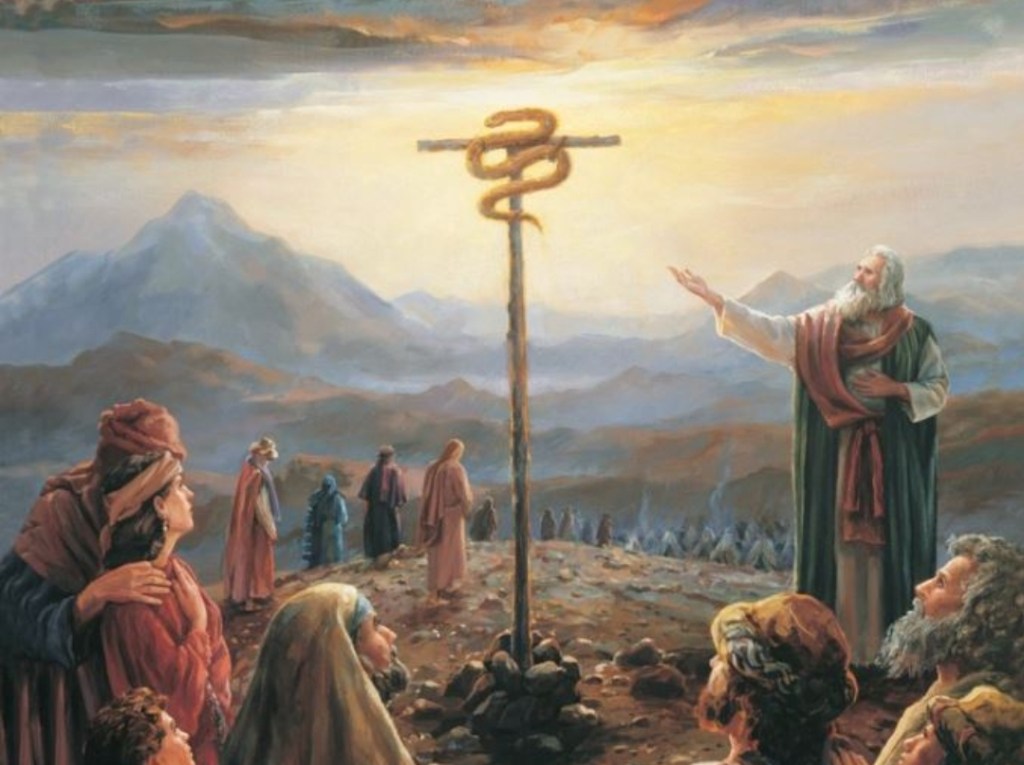
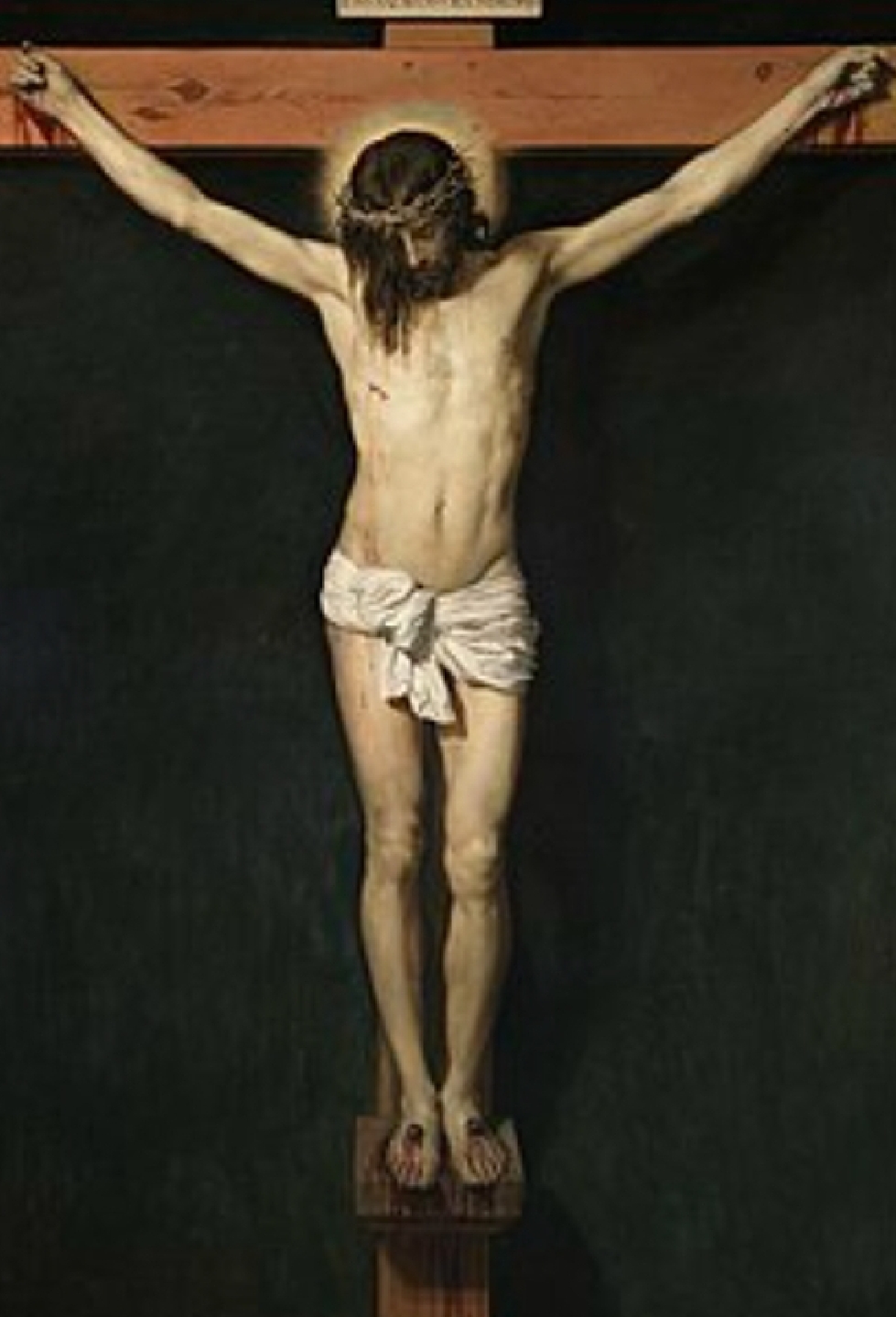
There are dozens and dozens of Biblical example of this, while few given here where Moses being commanded by God to raise a Bronze serpent on a staff to be ‘looked upon’ by the people for their ‘salvation’. Christ fulfils this role in the New Testament as the one ‘raised up’, to be looked upon for the salvation of all mankind.
In Zechariah we hear of the ‘fountain’ to cleanse sin, and the ‘mourning for the One pierced’.
It goes deeper in the 2nd half in Zechariah to talk about ‘The Shepherd’, ‘The Covenant’, and ‘The price of a Man’. When Christ breathed his last on The Cross, the Veil of the temple was torn in two.
This was to fulfil the scripture of the breaking of The Covenant between God and Israel. Salvation came from the Jews, but God was no longer present among the people in the Ark of the Covenant, in the ‘Holy of Holies’. The two staffs in Zechariah were Broken, thus breaking the covenants.
The New Covenant was with Christ (The worthy One from Revelation 5), and was for All Peoples.
In Zechariah we also find the 30 pieces of silver, the price of a Man. It was no accident that Pontus Pilate said ‘behold, I give you the Man (Ecce Homo). In Zechariah we see the 30 pieces ‘cast into the treasury’ in the house of The Lord. When Judas tried to atone for his sins, he tried to get the high priest to take back the 30 pieces of silver. He cast the 30 pieces into the temple, the house of The Lord, for it to be put back in the treasury. The Chief priests could not put blood money back in the treasury, and purchased the potters field. Again, Christ fulfilled all that was written about in scripture.
While the key themes here are this, Christ came to reveal what was hidden since the beginning of time. He alone fulfils what is written in scripture. His atonement was pure and perfect, and He alone could satisfy the Justice required by God for the sin of all mankind. This perfect and Holy sacrificed restored mankind to God. God no longer dwelt among the people in the Holy of Holies. Christ became worthy (Revelation 5) to receive All Power, Glory, and Honour. He alone could open the scroll. Through him we now come to the Father, redeemed by Christ. His dwelling place is within us (You are no longer your own. You were purchased/ransomed for a heavy price). That is why confessions are so important (The cleansing of the bodily temple), and receiving Christ in The Holy Eucharist. Christ tells us that we cannot have life within us unless we eat and drink of His flesh.
This passage that is found only in Luke is part of a larger section devoted to the theme of vigilance and readiness (see Luke 12:54 – 59).
This account is composed of two parts. The first part (vv 1-5) stresses the need for universal repentance. The second part (vv 6-9), the parable of the fig tree, emphasises the possibility of mercy for those who repent in time.
There is some historical basis for the reference to Pilate’s treatment of the Galileans. In any event, Jesus does not accept the view that the faith of the Galileans equals their guilt.
To bolster his argument, Jesus cites the example of the 18 killed at Siloam. What does emerge, however, is the constant need to reform. Similarly, the parable of the fig tree shows that repentance must occur now, for tomorrow may be too late.
For Luke’s community, the words of Jesus point out the implications of their Christian call.
They have to be ever alert and hence ever willing to renew their original Christian commitment in following Jesus.
Luke 13.
1 “There were present at that season some that told him of the Galilaeans, whose blood Pilate had mingled with their sacrifices”.
2 “And Jesus answering said unto them, Suppose ye that these Galilaeans were sinners above all the Galilaeans, because they suffered such things”?
3 “I tell you, Nay: but, except ye repent, ye shall all likewise perish”.
4 “Or those eighteen, upon whom the tower in Siloah fell, and slew them, think ye that they were sinners above all men that dwelt in Jerusalem”?
5 “I tell you, Nay: but, except ye repent, ye shall all likewise perish”.
6 “He spake also this parable; A certain man had a fig tree planted in his vineyard; and he came and sought fruit thereon, and found none”.
7 “Then said he unto the dresser of his vineyard, Behold, these three years I come seeking fruit on this fig tree, and find none: cut it down; why cumbereth it the ground”?
8 “And he answering said unto him, Lord, let it alone this year also, till I shall dig about it, and dung it”:
9 “And if it bear fruit, well: and if not, then after that thou shalt cut it down”.
The Barren Fig Tree.
Some people told Jesus about an uprising of Galileans in the Tenple Court and how Pilate’s soldiers slaughtered them there and then. We do not know what motives the people had for telling Jesus about this. However, Jesus uses the story to drive home the lesson that allof us, without exception, are sinners and in urgent need of repentance. The Galileans killed by Pilate are not more deserving of their gruesome fate than other Galileans, including those listening to Jesus.
They were not more sinful than others. Their untimely death should serve as a warning of what can happen to us unless we turn to God and change our ways.
To further emphasise the point, Jesus tells the parable of the fig tree. In the OT Israel is frequently likened to God’s vineyard, which makes this parable a pointed reference to his immediate listeners. Just as the fig tree is given a final chance, a period of grace, to bear fruit, so people are given time to repent and reform. In the period of persecution during which Luke is writing, these passages of his Gospel are reminders to Christians that they must persevere in living lives of faith and repentance. There is no room for self-complacency. The ‘time of grace’ given us must be used fruitfully.
The holy spirit Is three divine aspects of God the Father in one.
Three aspects of God the Father within and around us which interact within our lives, guiding us.
So there is God the Father who we look up to and Jesus Christ who we try to walk in the footsteps of and do good for others and then there is the holy spirit who corrects our actions and thinking.
The Trinity is like an egg. Just as ONE egg has THREE different parts – the shell, the white, the yoke – ONE God has THREE different Persons – Father, Son, and Holy Spirit. Similarly, we often hear the Trinity compared to an Apple. ONE apple has three different parts – the skin, the flesh, and the seed.
For the majority of Christian denominations, the Holy Spirit is the third Person of the Holy Trinity – Father, Son, and Holy Spirit, and is Almighty God. As such he is personal and also fully God, co-equal and co-eternal with God the Father and Son of God.
Why is the trinity important?
The Trinity is important as it helps Christians to understand the complex nature of God. The belief in The Trinity is a central doctrine of Christianity. The three persons of the Trinity teach Christians better about the nature of God and the roles he plays.
The Christian doctrine of the Trinity, in Latin translates as Trinitas, lit. ’triad’, originating from Latin: trinus meaning “threefold” where it defines God as being one god existing in three coequal, coeternal, consubstantial divine persons.
Being God the Father, God the Son (Jesus Christ) and God the Holy Spirit, three distinct persons sharing one homoousion, essence.
In this way, the three persons define who God is, while the one essence defines what God is.
The old Testament.
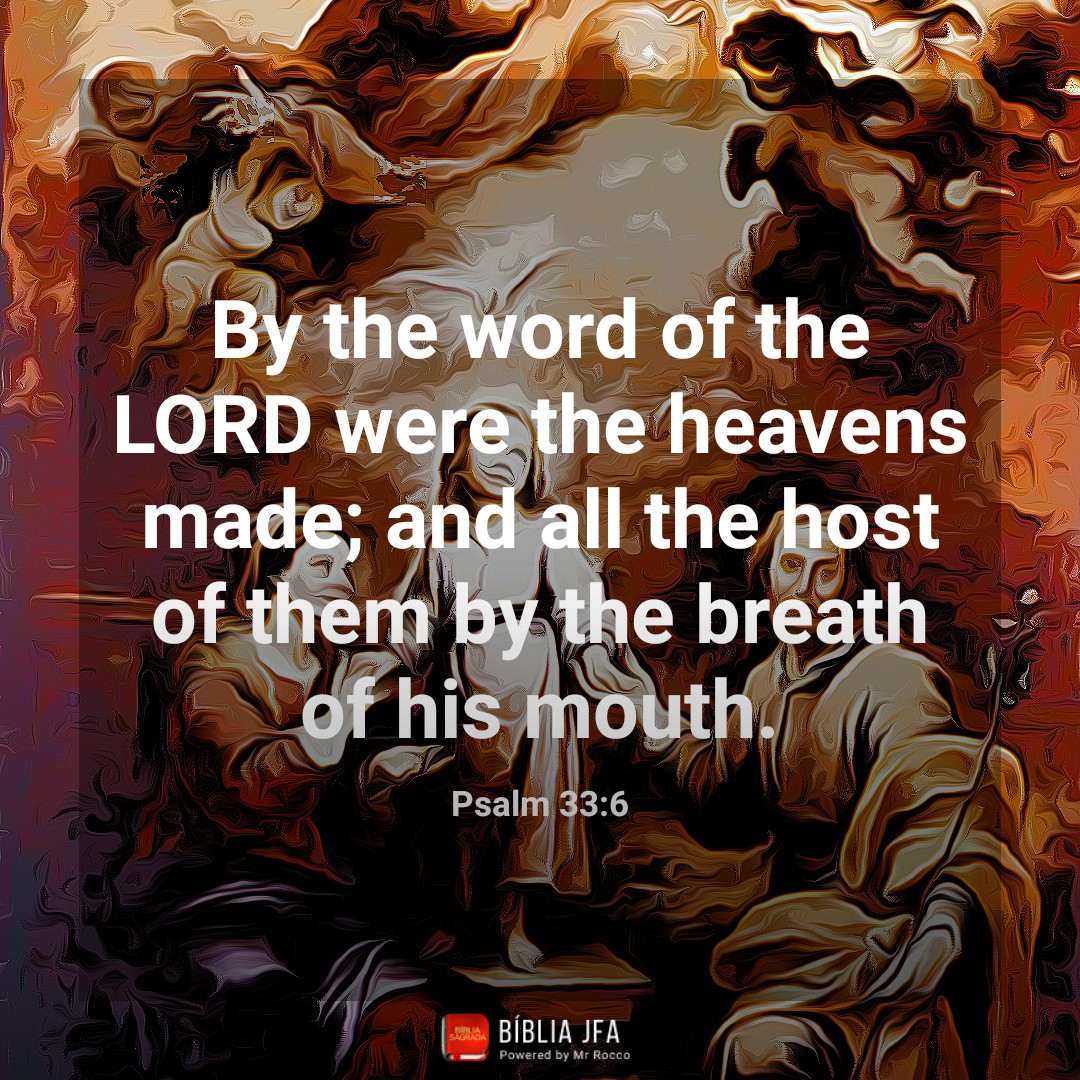
The Old Testament has been interpreted as referring to the Trinity by referring to God’s word (Psalm 33:6), his spirit (Isaiah 61:1), and Wisdom (Proverbs 9:1), as well as narratives such as the appearance of the three men to Abraham.
However, it is generally agreed among Trinitarian Christian scholars that it would go beyond the intention and spirit of the Old Testament to correlate these notions directly with later Trinitarian doctrine.
How does the Trinity affect our lives?
So we must become a people of love. Our lives reflect the Trinity. … And the Holy Spirit, the love between the Father and the Son, makes us holy. The Holy Spirit makes possible the wholeness or oneness in us to enable Christ to work through us.
Why is Jesus important in the trinity?
God the Son helps Christians to understand how God makes his love known in the world. Jesus spread teachings of compassion and healed people who were sick. The life of Jesus, as described in the Gospels , also demonstrates that sacrifice and suffering are important parts of the human experience.
What is the difference between God and Jesus and the Holy spirit?
God is a spirit ( according to scriptures) whereas Jesus himself declared not to be a spirit rather he considered himself human with flesh and bones. God is said to have unlimited knowledge while Jesus being a person is said to limited knowledge.
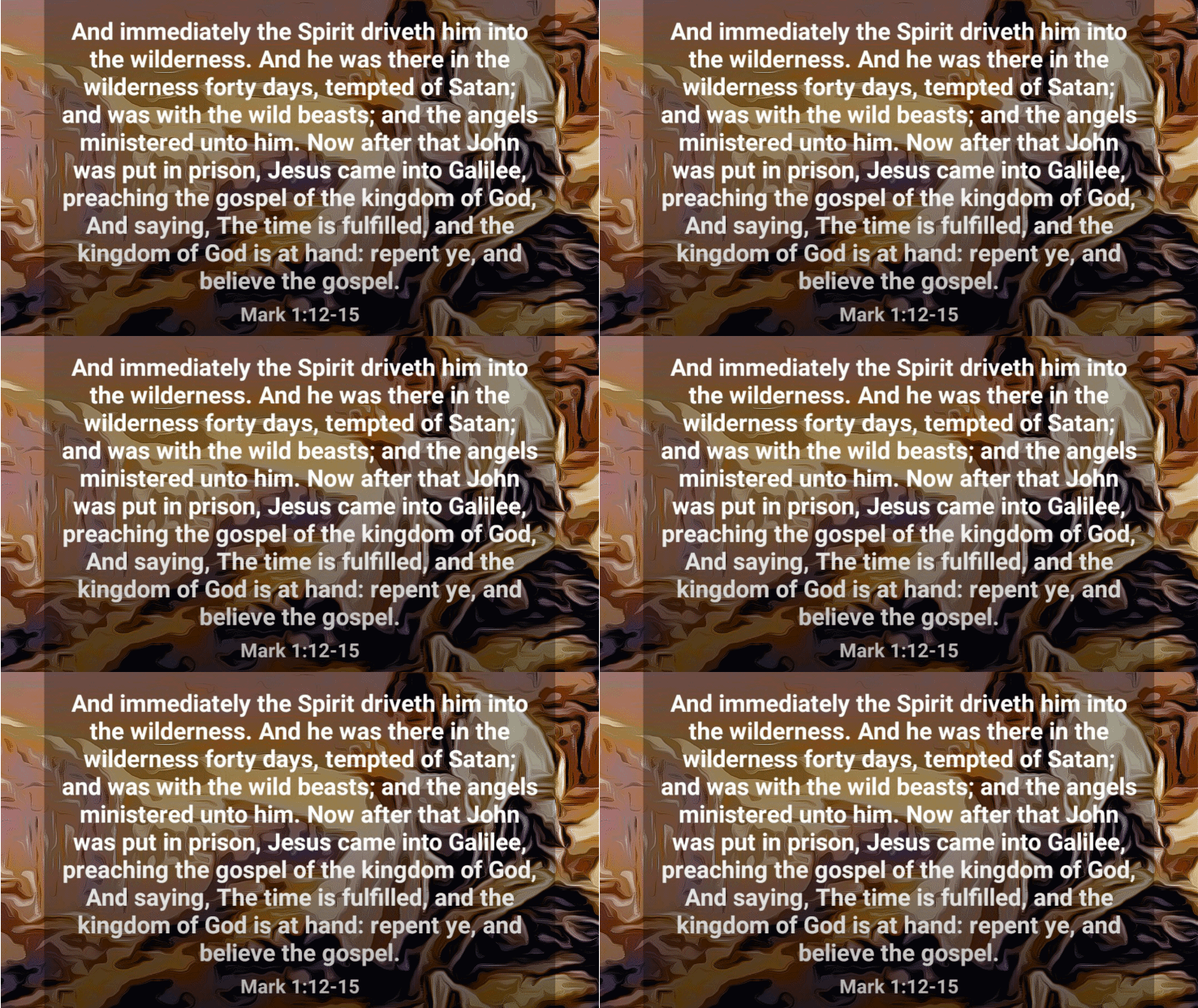
The author Mark clearly links Jesus ‘temptation in the desert with the baptism. There, Jesus experiences the divine world in the communication from the Father. In the temptation, however, he is in the desert or wilderness, I.e., the demonic world, the traditional haunt of the evil forces. Forty days’ suggests a link with the 40 years of Israel’s wandering in the desert or wilderness.
Whereas Israel failed during that period, here Jesus succeeds. The author also seems to imply a certain messianic element in this scene, namely, the type of messiahship Jesus would embrace. Jesus thus begins his battle with Satan and the powers of evil. His death and subsequent resurrection will resolve the form of his messiahship and his relationship to the powers of evil.
In the conclusion of this passage the author begins the account of the public ministry of Jesus with a summary. He noted the fate of the Baptist and suggests that the Cross cannot be divorced from a consideration of the person and mission of Jesus. In Jesus, God’s Kingdom, I.e., his providing for the needs of his people, has finally dawned. In Jesus, the new age has begun.
The audience is thus invited to adopt a new way of thinking that will lead to a new way of acting (‘repentance’) and put their trust in the good news of salvation that comes in the person of Jesus. Mark thus presents a Jesus bound up with the world of chaos. Satan and the powers of evil personify that chaos, one that brings in its wake human sickness, perversion, and isolation. The task of Jesus is to overcome such chaotic forces.
The struggle in the desert or wilderness is the beginning of Jesus’ containing of chaos. He proceeds to offset such chaos by proclaiming hope in the form of the kingdom of God, God’s definitive intervention in which he will provide for all the needs of his people. The person of Jesus is God’s finest expression of hope for a choice world.
In recounting the baptism of Jesus by John, Mark underlines Jesus ‘ vision and the heavenly voice. The tearing open of the heavens recalls Isaiah 63:19 where the prophet begs God to rend the heavens and come down. The second element in Jesus’ vision is the descent of the dove-like spirit. The role of the spirit in Jesus’ ministry is paramount for Mark since it will enable him to carry out his mission. The heavenly voice establishes a unique form of communication between God and Jesus. Mark thereby identifies Jesus as both God’s Son and his beloved servant (see Isaiah 42:1 – 2).
For Mark’s audience this scene is good news indeed since it reveals that God has not forgotten them. Rather through Jesus he has established a special form of communication. The result is that heaven and earth are now in contact. As Son, Jesus enjoys a special bond with God, a bond that he will manifest in his moments of prayer. As beloved son, Jesus is also the suffering servant who will achieve his mission by coping with pain on behalf of his people. As no stranger to suffering, Jesus easily appeals to Mark’s audience. He will, however, ultimately triumph but only at the cost of his life. As God’s servant, Jesus can empathize with the experience of Mark’s audience. The shadow of the cross is painfully present.
John the Baptist Announces the Coming One (1:1 – 8).
This passage marks the beginning of Mark’s message for his distraught community. The story of Jesus can now unfold with the proclamation of John the Baptist.
The audience is to learn that neither the formidable power of evil nor the crushing brutality of the powers-that-be will enjoy the last word.
The Baptist senses God’s presence in the person of Jesus. He also understands his own mission in terms of precursor – he is to prepare the way of the Lord. Specifically, he prepares the people for the arrival of ‘one mightier ‘ than he by proclamation of radical conversion. He proceeds to demonstrate the seriousness of his intent by appearing in the guise of Elijah (camel’s hair clothing and leather belt). He emphasises the centrality of Jesus by seeing himself only in the role of a herald. Jesus, not he, is to occupy centre stage.
Since the author of this Gospel has not provided any firm date or clear background for this composition, the interpreter is compelled to look for clues that may suggest some probable answers.
From an overall reading of the text one encounters a community that has endured persecution from without and division from within. Right from the opening chapter the Cross casts it’s unmistakable shadow over the entire work. For example, John the Baptist preaches and is handed over or arrested. Thereafter, Jesus and subsequent believer’s experience the same fate.
The theme of division among Jesus’ disciples also plays a prominent role in the work. In addition, persecutions figure significantly in the gospel.
When one puts all these observations together, there surface images of an early Christian community that has endured pain for the name of Jesus and most likely was anticipating more suffering.
A likely setting for the writing of the gospel is the persecution of Christians. Under Nero because of the great fire of 64 A.D. In order to shift blame from himself for the fire, Nero attributed the conflagration to Roman Christians.
The Roman historian Tacitus relates that Nero had Christians arrested and then convicted. He also imposed harsh punishments on those convicted.
To make matters worse, Christians betray fellow Christians.
Apostasy was rife indeed.
The author of Mark probably writes his gospel around the year 70 A.D.
(This was also the year in which the Romans utterly destroyed the Jewish temple in Jerusalem.)
He clearly demonstrates that Christian discipleship and suffering go hand in hand.
To accept the message of Jesus is to embrace the cross. The Jesus Mark is undeniably the suffering Messiah.
As Jesus unequivocally states in 8:31, ‘the Son of Man must suffer greatly and be rejected by the elders, the chief priests, and the scribes, and be killed, and rise after three days, ‘Ironically, the infidelity of the disciples in this Gospel, notably Peter, becomes good news for those who experience failure, especially apostasy. Like Peter, they are called to repentance and reconciliation.
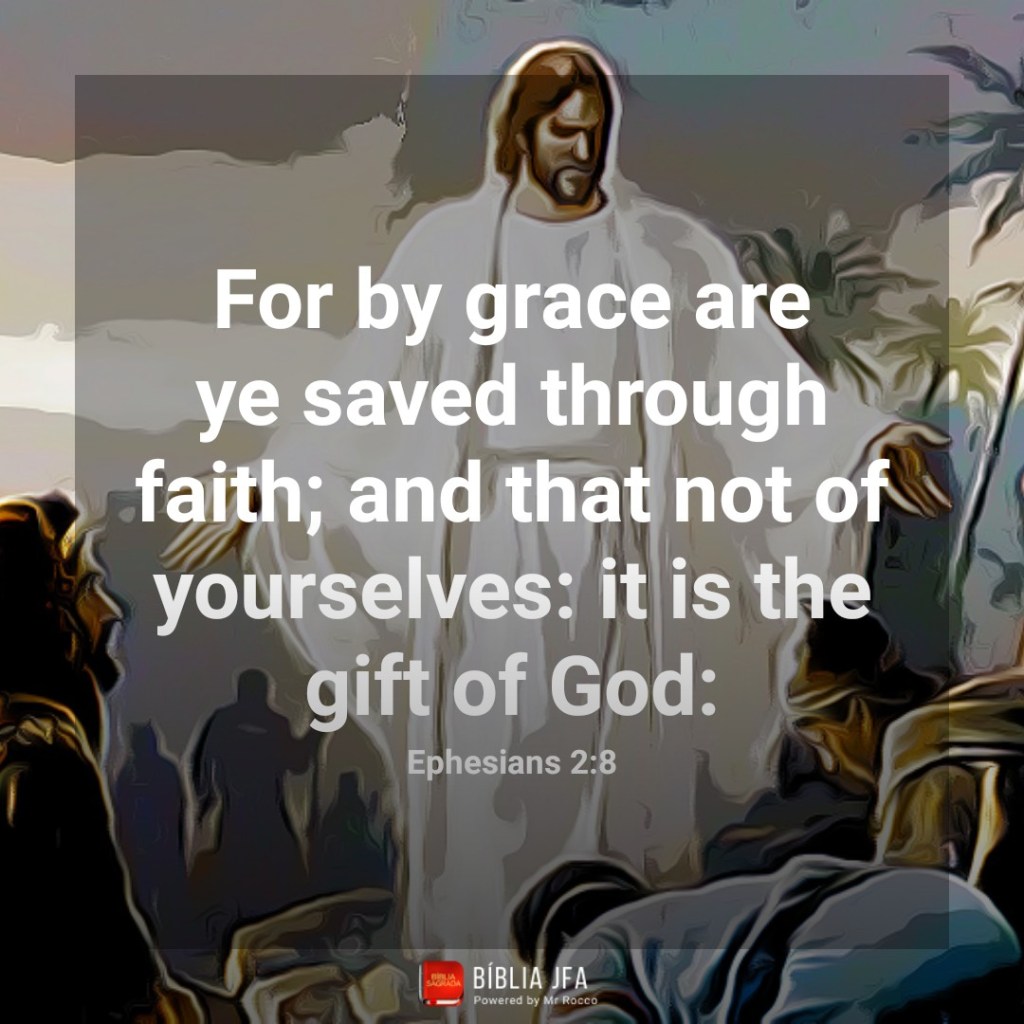
8. For by grace are ye saved through faith; and that not of yourselves: it is the gift of God:
9. Not of works, lest any man should boast.
10. For we are his workmanship, created in Christ Jesus unto good works, which God hath before ordained that we should walk in them.
11. Wherefore remember, that ye being in time past Gentiles in the flesh, who are called Uncircumcision by that which is called the Circumcision in the flesh made by hands;




















 Temple Ministries