• Jesus presents the Parable of the Sower.

    The following within the book of Mathew, Jesus Presents the Parable of the Sower, wherein he begins to explain its meaning and the purpose of Parables.

    While it is interesting to see how before things go right, that they must decline and go wrong, such periods within life are almost necessary for sustained growth.

    This parable alludes to an interesting point, of how that which grows in nature, albeit a seed, must first reduce to the constituents of the earth itself.


    Here John F. Craghan Professor emeritus of religious studies at St Norbert College, De Pere, Wisconsin presents his interpretation of apostle Mathew’s account of Jesus teachings, depicting how within passages 13:1 – 23 a new stage is marked.

    • “Jesus has now met with considerable resistance. This lack of response makes him resort to the veiled language of parables (vv 10 – 17). Actually the intent of the parables is to teach, to challenge, to confront. Although Mathew has changed the intent of the parables, the parable itself does suggest a point in Jesus’ ministry when resistance and lack of response prompted a realistic appraisal of the law of loss and gain in the kingdom. Jesus counters the despair of his ministry by pronouncing this parable of hope.”

    • “The parable is really the parable of the seed, not the sower. Apart from verse 3 and the later interpretation in verse 18, the parable deals only with the natural inevitability of succes and failure in sowing.”

    “(In Palestine sowing often comes before plowing).”

    • “There are three states of loss: immediate (path), gradual (rocks), and ultimate (thorns). There are three degrees of gain in the good soil: thirty, sixty, one hundred (hence as diverse as the losses). Significantly the parable spells out how things go wrong (path, rocks, thorns) but not how they go right. The parable thus points to the law of growth and decline in a kingdom. Although one can understand better how things go wrong, one is challenged to hope in that mysterious process whereby they go right. God’s mysterious plan is at work: good results do come, although the bad ones are more readily explained.”


    Source – “Tell me, Jesus, who you are”.
    Re-discovering Jesus in the Sunday Gospels, by John F. Craghan.


    Book of Matthew 13: 1 – 23.

    • 1
    The same day went Jesus out of the house, and sat by the sea side.
    • 2
    And great multitudes were gathered together unto him, so that he went into a ship, and sat; and the whole multitude stood on the shore.
    • 3
    And he spake many things unto them in parables, saying, Behold, a sower went forth to sow;
    • 4
    And when he sowed, some seeds fell by the way side, and the fowls came and devoured them up:
    • 5
    Some fell upon stony places, where they had not much earth: and forthwith they sprung up, because they had no deepness of earth:
    • 6
    And when the sun was up, they were scorched; and because they had no root, they withered away.
    • 7
    And some fell among thorns; and the thorns sprung up, and choked them:
    • 8
    But other fell into good ground, and brought forth fruit, some an hundredfold, some sixtyfold, some thirtyfold.
    • 9
    Who hath ears to hear, let him hear.
    • 10
    And the disciples came, and said unto him, Why speakest thou unto them in parables?
    • 11
    He answered and said unto them, Because it is given unto you to know the mysteries of the kingdom of heaven, but to them it is not given.
    • 12
    For whosoever hath, to him shall be given, and he shall have more abundance: but whosoever hath not, from him shall be taken away even that he hath.
    • 13
    Therefore speak I to them in parables: because they seeing see not; and hearing they hear not, neither do they understand.
    • 14
    And in them is fulfilled the prophecy of Esaias, which saith, By hearing ye shall hear, and shall not understand; and seeing ye shall see, and shall not perceive:
    • 15
    For this people’s heart is waxed gross, and their ears are dull of hearing, and their eyes they have closed; lest at any time they should see with their eyes, and hear with their ears, and should understand with their heart, and should be converted, and I should heal them.
    • 16
    But blessed are your eyes, for they see: and your ears, for they hear.
    • 17
    For verily I say unto you, That many prophets and righteous men have desired to see those things which ye see, and have not seen them; and to hear those things which ye hear, and have not heard them.
    18 Hear ye therefore the parable of the sower.
    • 19
    When any one heareth the word of the kingdom, and understandeth it not, then cometh the wicked one, and catcheth away that which was sown in his heart. This is he which received seed by the way side.
    • 20
    But he that received the seed into stony places, the same is he that heareth the word, and anon with joy receiveth it;
    • 21
    Yet hath he not root in himself, but dureth for a while: for when tribulation or persecution ariseth because of the word, by and by he is offended.
    • 22
    He also that received seed among the thorns is he that heareth the word; and the care of this world, and the deceitfulness of riches, choke the word, and he becometh unfruitful.
    • 23
    But he that received seed into the good ground is he that heareth the word, and understandeth it; which also beareth fruit, and bringeth forth, some an hundredfold, some sixty, some thirty.

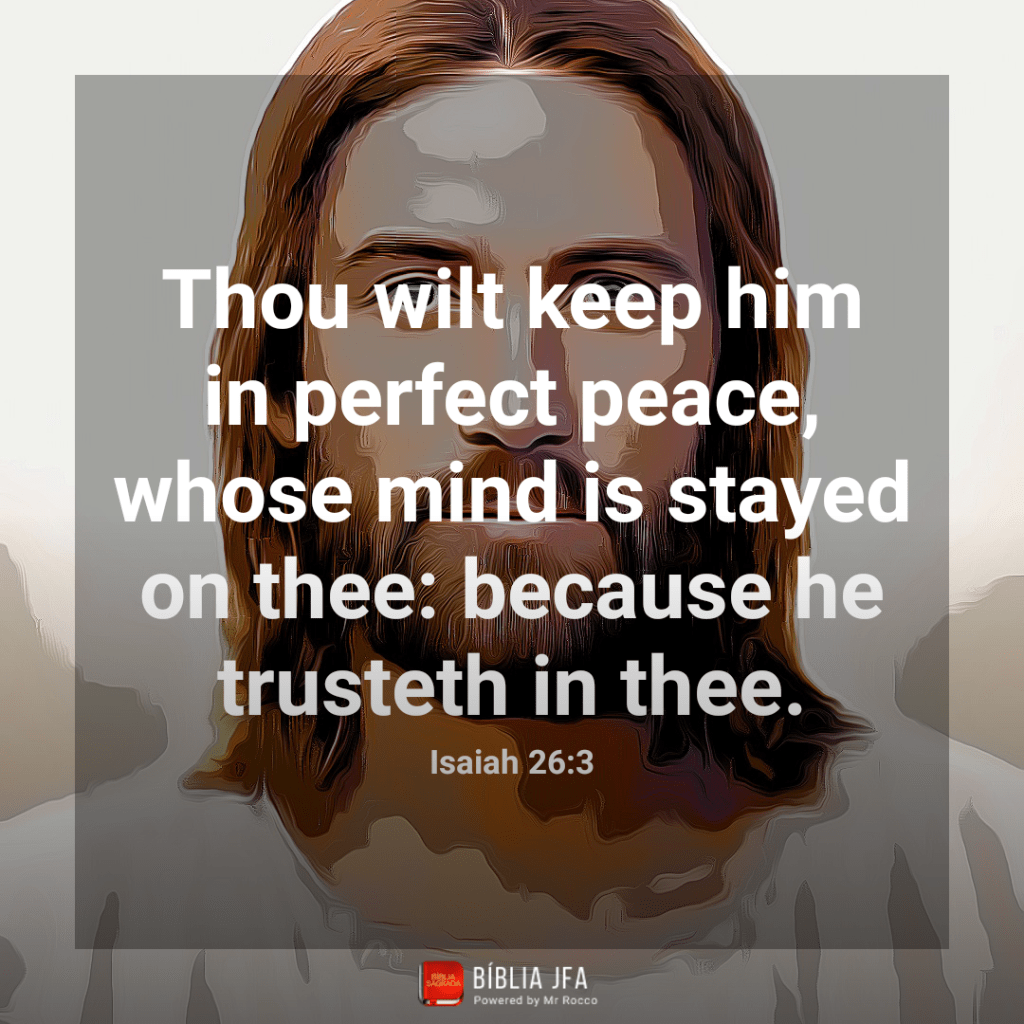
  • Perfect peace, The Promise of Isaiah 26:3

    Isaiah 26:1

    In that day shall this song be sung in the land of Judah; We have a strong city; salvation will God appoint for walls and bulwarks.

    2 Open ye the gates, that the righteous nation which keepeth the truth may enter in.

    3 Thou wilt keep him in perfect peace, whose mind is stayed on thee: because he trusteth in thee.

    4 Trust ye in the LORD for ever: for in the LORD JEHOVAH is everlasting strength:

    (more…)
  • Faith through love.

    Freedom in Christ – Galatians 5:1.

    Stand fast therefore in the liberty wherewith Christ hath made us free, and be not entangled again with the yoke of bondage.

    2 Behold, I Paul say unto you, that if ye be circumcised, Christ shall profit you nothing.

    3 For I testify again to every man that is circumcised, that he is a debtor to do the whole law.

    4 Christ is become of no effect unto you, whosoever of you are justified by the law; ye are fallen from grace.

    5 For we through the Spirit wait for the hope of righteousness by faith.

    6 For in Jesus Christ neither circumcision availeth anything, nor uncircumcision; but faith which worketh by love.

    7 Ye did run well; who did hinder you that ye should not obey the truth?

    8 This persuasion cometh not of him that calleth you.

    9 A little leaven leaveneth the whole lump.

    10 I have confidence in you through the Lord, that ye will be none otherwise minded: but he that troubleth you shall bear his judgment, whosoever he be.

    11 And I, brethren, if I yet preach circumcision, why do I yet suffer persecution? then is the offence of the cross ceased.

    12 I would they were even cut off which trouble you.

  • In the name of the Lord.

    Proverbs 18:1


    Through desire a man, having separated himself, seeketh and intermeddleth with all wisdom.

    2 A fool hath no delight in understanding, but that his heart may discover itself.

    3 When the wicked cometh, then cometh also contempt, and with ignominy reproach.

    4 The words of a man’s mouth are as deep waters, and the wellspring of wisdom as a flowing brook.

    5 It is not good to accept the person of the wicked, to overthrow the righteous in judgment.

    6 A fool’s lips enter into contention, and his mouth calleth for strokes.

    7 A fool’s mouth is his destruction, and his lips are the snare of his soul.

    8 The words of a talebearer are as wounds, and they go down into the innermost parts of the belly.

    9 He also that is slothful in his work is brother to him that is a great waster.

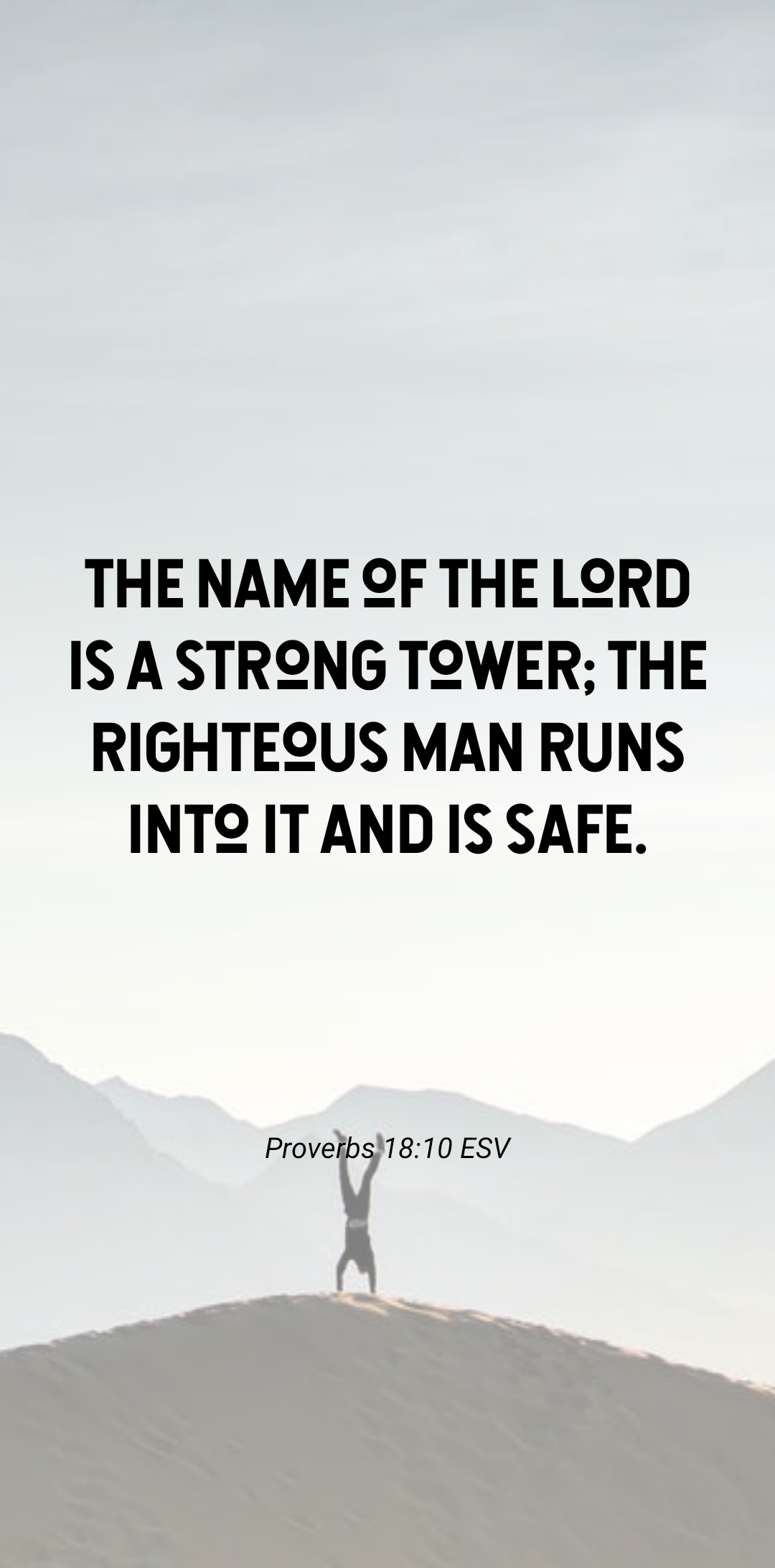
    10 The name of the LORD is a strong tower: the righteous runneth into it, and is safe.


  • Praise him.

    Psalm 43:1:


    Judge me, O God, and plead my cause against an ungodly nation: O deliver me from the deceitful and unjust man.

    2: For thou art the God of my strength: why dost thou cast me off? why go I mourning because of the oppression of the enemy?

    3: O send out thy light and thy truth: let them lead me; let them bring me unto thy holy hill, and to thy tabernacles.

    4: Then will I go unto the altar of God, unto God my exceeding joy: yea, upon the harp will I praise thee, O God my God.

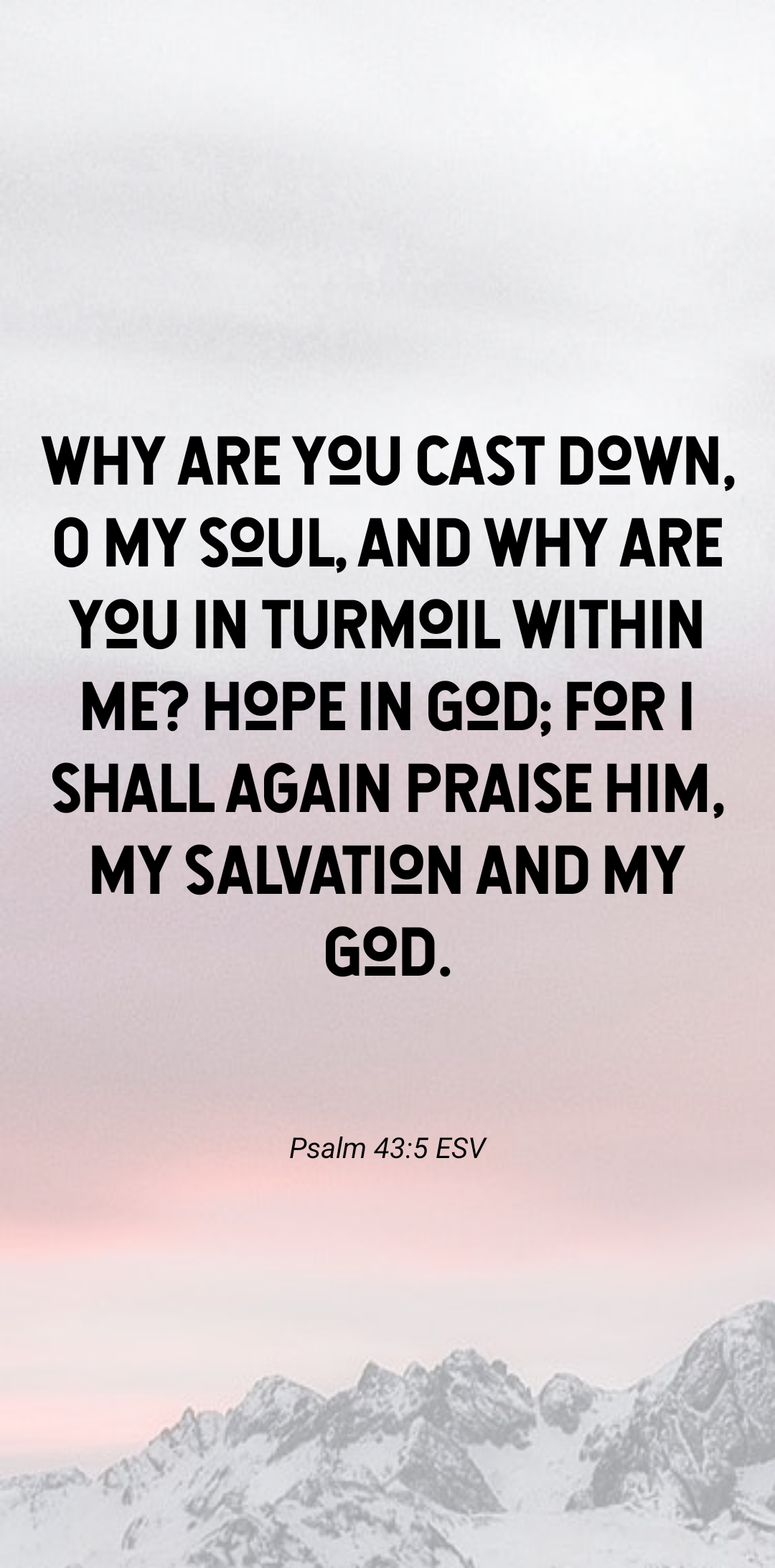
    5: Why art thou cast down, O my soul? and why art thou disquieted within me? hope in God: for I shall yet praise him, who is the health of my countenance, and my God.


  • Omicron healing frequencies.


    Heal yourself from the new Omicrom variant with these frequencies.

    The specifically designed frequencies carry isochronic tones and binaural beats, designed to destroy the Omicron variant.


    Isochronic tones

    Are regular beats of a single tone that are used alongside monaural beats and binaural beats in the process called Brainwave entrainment.

    Brain wave entrainment refers to a method of getting brain waves to sync with a specific stimulus.

    Brain wave entrainment techniques, such as the use of isochronic tones, are being studied as a potential therapy for a variety of health conditions. These can include things like pain, attention deficit hyperactivity disorder (ADHD), and anxiety.

    At its simplest level, an isochronic tone is a tone that is being turned on and off rapidly. Which creates sharp, distinctive pulses of sound.


    A Binaural beat:

    is an auditory illusion perceived when two different pure-tone sine waves, both with frequencies lower than 1500 Hz, with less than a 40 Hz difference between them.

    For example, if a 530 Hz pure tone is presented to a subject’s right ear, while a 520 Hz pure tone is presented to the subject’s left ear, the listener will perceive the auditory illusion as a third tone, in addition to the two pure-tones presented to each ear. The third sound is called a binaural beat, and in this example would have a perceived pitch correlating to a frequency of 10 Hz, that being the difference between the 530 Hz and 520 Hz pure tones presented to each ear.


  • Our hands are like antenna , we’re like bees or ants in a colony taking in each others thoughts.

    When you put your hands together you begin to communicate with your heart and no longer take in other people’s thoughts.

    When you do this you become aware that your no longer a part of your dream but rather your the observer. While the head finds it difficult to listen to the heart, for before good emotions emerge you have to deal with the bad stuff, it all comes up.


    But repeated prayer on your knees and hands together will eventually bring your heart to life.

    I’m sure some of you have heard of brain heart cohesion, how if the brain and the heart are in allignment miracles happen, for me I found this to be true and this happens through prayer, where whatever your mind focus’s on and you can feel love for it, it will come to you or your mind will clear to show you how your goals are not as difficult as you may think.


    https://play.google.com/store/apps/details?id=gr.gamebrain.comica


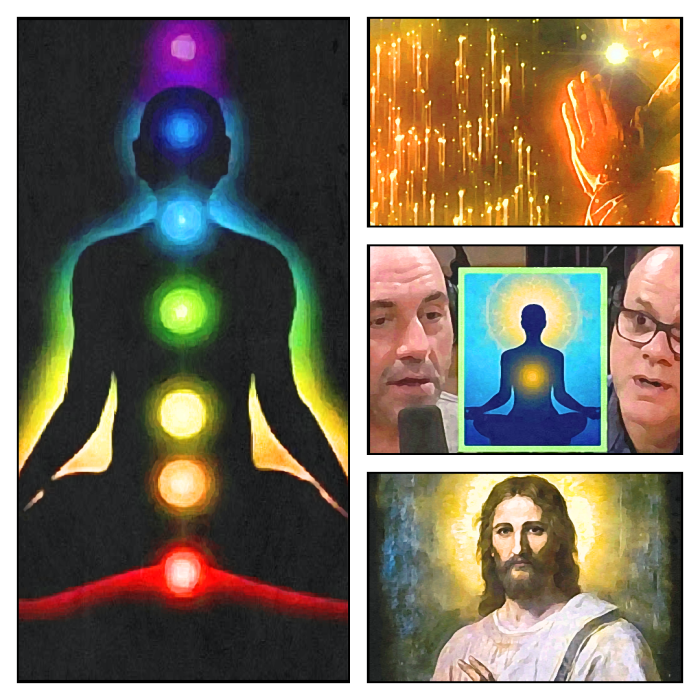
    The third energy centre and the third eye…

    The hands and feet are like antenna which are feeding information back to the third eye or brain, notice how the legs and arms enter into the solar plexus and heart and this means that as long as your hands are in an open position, you are taking in other people’s thoughts and feelings.

    When you put your hands and feet together you block out other people’s worries and begin to communicate with your self inside.

    A noticable change happens in your dreams, where you see yourself no longer part of the drama in your head, rather you become the observer.

    Your thoughts and feelings are not your own. This only becomes obvious when the solar plexus is open and it won’t open until you give up that which is below the solar plexus. This is where the battle with the fire in the mind begins, fire represents the solar plexus…

    To gain control of the mind or third eye you must observe what is happening in the solar plexus or 3rd energy centre.

    Fast, observe what you eat and drink, wake up in time with the solar system as the solar plexus opens.

    Meditate, pray on knees with hands together, keep intentions focused on the third eye and love.


  • Jeremiah 31:13

    Dancing in early morning to become more creative.

    Jeremiah 31:13 Then shall the virgin rejoice in the dance, both young men and old together: for I will turn their mourning into joy, and will comfort them, and make them rejoice from their sorrow.

    https://bibliajfa.com.br/app/kjv_apocrypha/24O/31/13

    Psalm 30:11 Thou hast turned for me my mourning into dancing: thou hast put off my sackcloth, and girded me with gladness;

    https://bibliajfa.com.br/app/kjv_apocrypha/19O/30/11

    Jeremiah 31:4 Again I will build thee, and thou shalt be built, O virgin of Israel: thou shalt again be adorned with thy tabrets, and shalt go forth in the dances of them that make merry.

    https://bibliajfa.com.br/app/kjv_apocrypha/24O/31/4

  • God loves a broken spirit…

    God loves a broken spirit…

    Reflecting upon how for a heart to open, it must first be broken. While understanding why this is ,we must become aware of how our hearts have become hardened over time and how to break through this hardness of heart, our hearts must be broken.

    Not in a physical sense, but in an emotional and spiritual sense.

    Such noteworthy figures have commented upon this idea from Shaun Hick to the Sufi poet Rumi.

    “You need to spend time crawling alone through shadows to truly appreciate what it is to stand in the sun.” — Shaun Hick Sufi

    The poet Rumi wrote, “You have to keep breaking your heart until it opens.”

    Wherein this idea is also reflected upon within spiritual texts, particularly within passages of the Bible. For it is written, how God prefers a Contrite Spirit and a broken heart.

    Such statements within the Bible may be difficult to understand or comprehend, perhaps pondering upon the idea that God is deliberately breaking our hearts as we ascend toward him, to know him better.

    For our notions of God and our reality may be false, wherein we may only follow God at times simply because we think we are going to benefit in some sense and therefore God may be deliberately breaking our heart to test our love and to show us what true love is.

    Here, the following are a few passages from the Bible which demonstrate how God favours a broken heart and a contrite spirit.

    Psalm 51:17: The sacrifices of God are a broken spirit: a broken and a contrite heart, O God, thou wilt not despise.


    https://bibliajfa.com.br/app/kjv_apocrypha/19O/51/17


    Psalm 34:18: The LORD is nigh unto them that are of a broken heart; and saveth such as be of a contrite spirit.


    https://bibliajfa.com.br/app/kjv_apocrypha/19O/34/18


    Isaiah 66:2: For all those things hath mine hand made, and those things have been, saith the LORD: but to this man will I look, even to him that is poor and of a contrite spirit, and trembleth at my word.


    https://bibliajfa.com.br/app/kjv_apocrypha/23O/66/2


    Isaiah 57:15: For thus saith the high and lofty One that inhabiteth eternity, whose name is Holy; I dwell in the high and holy place, with him also that is of a contrite and humble spirit, to revive the spirit of the humble, and to revive the heart of the contrite ones.


    https://bibliajfa.com.br/app/kjv_apocrypha/23O/57/15


    Hardened hearts. Ephesians 4:18: Having the understanding darkened, being alienated from the life of God through the ignorance that is in them, because of the blindness of their heart:


    https://bibliajfa.com.br/app/kjv_apocrypha/49N/4/18


    Hebrews 3:8: Harden not your hearts, as in the provocation, in the day of temptation in the wilderness:


    https://bibliajfa.com.br/app/kjv_apocrypha/58N/3/8


    Exodus 9:12: And the LORD hardened the heart of Pharaoh, and he hearkened not unto them; as the LORD had spoken unto Moses.


    https://bibliajfa.com.br/app/kjv_apocrypha/02O/9/12


    Mark 8:17: And when Jesus knew it, he saith unto them, Why reason ye, because ye have no bread? perceive ye not yet, neither understand? have ye your heart yet hardened?


    https://bibliajfa.com.br/app/kjv_apocrypha/41N/8/17


  • The glory to be revealed.

    Perfect suffering and future glory.


    Romans 8:18

    For I reckon that the sufferings of this present time are not worthy to be compared with the glory which shall be revealed in us.

    19 For the earnest expectation of the creature waiteth for the manifestation of the sons of God.

    20 For the creature was made subject to vanity, not willingly, but by reason of him who hath subjected the same in hope,

    21 Because the creature itself also shall be delivered from the bondage of corruption into the glorious liberty of the children of God.

    22 For we know that the whole creation groaneth and travaileth in pain together until now.

    23 And not only they, but ourselves also, which have the firstfruits of the Spirit, even we ourselves groan within ourselves, waiting for the adoption, to wit, the redemption of our body.

    24 For we are saved by hope: but hope that is seen is not hope: for what a man seeth, why doth he yet hope for?

    25 But if we hope for that we see not, then do we with patience wait for it.

    26 Likewise the Spirit also helpeth our infirmities: for we know not what we should pray for as we ought: but the Spirit itself maketh intercession for us with groanings which cannot be uttered.

    27 And he that searcheth the hearts knoweth what is the mind of the Spirit, because he maketh intercession for the saints according to the will of God.

    28 And we know that all things work together for good to them that love God, to them who are the called according to his purpose.

    29 For whom he did foreknow, he also did predestinate to be conformed to the image of his Son, that he might be the firstborn among many brethren.

    30 Moreover whom he did predestinate, them he also called: and whom he called, them he also justified: and whom he justified, them he also glorified.


  • The lord will rescue me.

    Personal remarks.


    2 Timothy 4:9

    Do thy diligence to come shortly unto me:

    10 For Demas hath forsaken me, having loved this present world, and is departed unto Thessalonica; Crescens to Galatia, Titus unto Dalmatia.

    11 Only Luke is with me. Take Mark, and bring him with thee: for he is profitable to me for the ministry.

    12 And Tychicus have I sent to Ephesus.

    13 The cloke that I left at Troas with Carpus, when thou comest, bring with thee, and the books, but especially the parchments.

    14 Alexander the coppersmith did me much evil: the Lord reward him according to his works:

    15 Of whom be thou ware also; for he hath greatly withstood our words.

    16 At my first answer no man stood with me, but all men forsook me: I pray God that it may not be laid to their charge.

    17 Notwithstanding the Lord stood with me, and strengthened me; that by me the preaching might be fully known, and that all the Gentiles might hear: and I was delivered out of the mouth of the lion.

    18 And the Lord shall deliver me from every evil work, and will preserve me unto his heavenly kingdom: to whom be glory for ever and ever. Amen.


  • Finding Hope in Jesus:
    Hope in Christ

    “A Message of Eternal Optimism”
    In a world filled with uncertainty and darkness, hope can be a fleeting concept. Yet, for Christians, hope is not just a feeling, but a fundamental aspect of their faith. In Jesus, believers find a source of eternal optimism, a rock-solid foundation that anchors their souls in the midst of life’s storms.

    The Biblical Concept of Hope
    The Bible is replete with references to hope, emphasizing its importance in the life of a believer. In Hebrews 6:19, hope is described as “an anchor for the soul, firm and secure.” This imagery speaks to the stabilizing effect of hope, which keeps us grounded even when the world around us seems to be spinning out of control.

    Jesus: The Embodiment of Hope
    Jesus Christ is the embodiment of hope for Christians. His life, death, and resurrection offer a powerful narrative of redemption and restoration. Through Jesus, believers are reminded that no matter how bleak their circumstances may seem, there is always a way forward. As the apostle Paul wrote in Romans 5:5, “Hope does not disappoint us, because God’s love has been poured into our hearts through the Holy Spirit, who has been given to us.”

    The Characteristics of Hope in Jesus
    So, what does hope in Jesus look like? Here are a few key characteristics:

    1. Eternal Perspective: Hope in Jesus is rooted in an eternal perspective, recognizing that this life is not the only reality. As believers, we are called to fix our eyes on the things that are unseen, rather than the temporary troubles of this world (2 Corinthians 4:18).
    2. Unwavering Trust: Hope in Jesus is built on unwavering trust in God’s goodness and sovereignty. We trust that He is working all things together for our good, even when we cannot see the bigger picture (Romans 8:28).
    3. Joy in the Midst of Suffering: Hope in Jesus enables believers to experience joy in the midst of suffering. This is not a superficial happiness, but a deep-seated joy that comes from knowing that our circumstances are not the ultimate reality (2 Corinthians 12:9-10).

    Practical Ways to Cultivate Hope in Jesus
    So, how can we cultivate hope in Jesus? Here are a few practical suggestions:

    1. Read and Meditate on Scripture: Regularly reading and meditating on Scripture can help you develop a deeper understanding of God’s character and promises.
    2. Pray with Persistence: Prayer is a powerful way to cultivate hope in Jesus. Pray with persistence, asking God to give you a deeper sense of hope and trust.
    3. Surround Yourself with Encouraging Community: Surrounding yourself with encouraging community can help you stay focused on the hope that we have in Jesus.

    Conclusion
    Hope in Jesus is a powerful antidote to the despair and uncertainty that often characterize our world. By fixing our eyes on Jesus, we can experience a hope that is eternal, unwavering, and joyful. As the apostle Peter wrote, “Praise be to the God and Father of our Lord Jesus Christ! In his great mercy he has given us new birth into a living hope through the resurrection of Jesus Christ from the dead” (1 Peter 1:3).

  • Resting in Security:

    “Finding Peace in the Midst of Uncertainty”
    In a world filled with uncertainty and chaos, it’s easy to feel anxious and insecure. However, as believers, we are called to rest in the security of our faith, trusting that God is our rock and our refuge. In Job 11:18, we find a powerful promise that reminds us of the security we have in God: “And you will feel secure, because there is hope; you will look around and take your rest in safety.”

    The Context of Job 11:18
    The book of Job is a rich and complex exploration of the human experience, delving into themes of suffering, faith, and redemption. In chapter 11, Zophar, one of Job’s friends, is speaking to him, urging him to repent and turn to God. While Zophar’s words are not entirely accurate, this particular verse stands out as a powerful promise of security and rest.

    What Does it Mean to Rest in Security?
    Resting in security means trusting that God is in control, even when our circumstances seem uncertain or chaotic. It means believing that He is our rock, our refuge, and our salvation (Psalm 18:2). When we rest in security, we are able to let go of our fears and anxieties, trusting that God will work everything out for our good (Romans 8:28).

    Practical Ways to Rest in Security
    So, how can we practically rest in security? Here are a few suggestions:

    1. Meditate on Scripture: Take time to meditate on Scripture, focusing on verses that remind you of God’s security and provision.
    2. Practice Prayer: Prayer is a powerful way to connect with God and rest in His security. Take time to pray, asking God to give you a sense of peace and trust.
    3. Surrender Your Fears: Surrendering our fears and anxieties to God can be a powerful way to rest in security. Take time to reflect on your fears, and then surrender them to God, trusting that He is in control.

    The Benefits of Resting in Security
    Resting in security has numerous benefits, including:

    1. Peace: When we rest in security, we experience a deep sense of peace, knowing that God is in control.
    2. Trust: Resting in security helps us develop a deeper trust in God, knowing that He is our rock and our refuge.
    3. Freedom: When we rest in security, we are free to live our lives without fear and anxiety, trusting that God will work everything
  • Thine Iniquities: “Confronting the Darkness Within”


    The concept of iniquity is a profound and complex one, touching on the deepest aspects of human nature. In the biblical tradition, iniquity refers to the willful disobedience of God’s laws and commandments, resulting in a state of moral and spiritual darkness. In this article, we’ll explore the idea of thine iniquities, confronting the darkness within and seeking redemption and forgiveness.

    Understanding Iniquity
    Iniquity is often associated with sin, but while sin refers to individual acts of wrongdoing, iniquity encompasses a broader pattern of behavior. It involves a deliberate and persistent rejection of God’s laws and principles, leading to a state of spiritual corruption and decay.

    The Consequences of Iniquity
    The consequences of iniquity are far-reaching and devastating. They include:

    1. Spiritual Separation: Iniquity creates a rift between the individual and God, leading to a sense of spiritual isolation and disconnection.
    2. Moral Corruption: Iniquity erodes moral character, leading to a decline in values and principles.
    3. Relational Damage: Iniquity can damage relationships with others, causing hurt, anger, and resentment.

    Confronting Thine Iniquities
    Confronting thine iniquities requires courage, honesty, and a willingness to confront the darkness within. Here are some steps to take:

    1. Acknowledge Your Iniquities: Recognize the patterns of behavior that have led to your iniquities.
    2. Repent and Seek Forgiveness: Turn away from your iniquities and seek forgiveness from God and those you have harmed.
    3. Seek Redemption and Restoration: Pursue spiritual growth and renewal, seeking to restore your relationship with God and others.

    The Promise of Redemption
    The good news is that redemption and forgiveness are available to all who seek it. Through faith in Jesus Christ, we can experience the cleansing power of forgiveness and the transformative power of redemption.

    Conclusion
    Thine iniquities are a serious matter, requiring honest confrontation and sincere repentance. However, through the promise of redemption and forgiveness, we can experience the healing power of God’s love and restoration.

  • “Experiencing Great Peace in God: A Sense of Calm in a Chaotic World”


    In a world filled with chaos, uncertainty, and anxiety, finding peace can seem like an elusive dream. However, for those who have put their faith in God, there is a promise of great peace that can be experienced regardless of circumstances. In this article, we’ll explore the concept of great peace in God, and how it can be a reality in our lives.

    The Promise of Great Peace
    The Bible promises that those who trust in God will experience great peace. In Isaiah 26:3, we read, “You will keep in perfect peace those whose minds are steadfast, because they trust in you.” This promise is not just a feeling of calm, but a deep-seated sense of security and trust that comes from knowing that God is in control.

    The Source of Great Peace
    So, where does this great peace come from? The answer is found in God’s presence. In Psalm 16:11, David writes, “You make known to me the path of life; you will fill me with joy in your presence, with eternal pleasures at your right hand.” When we are in God’s presence, we experience a sense of peace that transcends our circumstances.

    Characteristics of Great Peace
    Great peace in God is characterized by:

    1. Calm in the midst of chaos: A sense of calm and tranquility, even in the most turbulent of circumstances.
    2. Trust in God’s sovereignty: A deep-seated trust that God is in control, and that He is working everything out for our good.
    3. Freedom from anxiety and fear: A release from the grip of anxiety and fear, as we learn to trust in God’s goodness and love.

    Practical Ways to Experience Great Peace
    So, how can we experience this great peace in our lives? Here are a few practical suggestions:

    1. Spend time in God’s presence: Regularly spend time in prayer, worship, and Bible study, cultivating a deeper sense of God’s presence in your life.
    2. Trust in God’s sovereignty: Practice trusting in God’s sovereignty, even when circumstances seem uncertain or chaotic.
    3. Cast your cares on God: Learn to cast your cares and anxieties on God, trusting that He will carry your burdens.

    Conclusion
    Great peace in God is a promise that is available to all who trust in Him. By spending time in God’s presence, trusting in His sovereignty, and casting our cares on Him, we can experience a deep-seated sense of peace that transcends our circumstances. Remember, God is our refuge and our peace, and He is always with us.

  • “God So Loved the World: Unpacking the Depth of God’s Love”


    One of the most iconic and influential verses in the Bible is John 3:16, which states, “For God so loved the world that he gave his one and only Son, that whoever believes in him shall not perish but have eternal life.” This verse has been a cornerstone of Christian theology for centuries, and its message of God’s love continues to inspire and transform lives today.

    The Depth of God’s Love
    The phrase “God so loved the world” is a profound statement that reveals the depth of God’s love for humanity. The Greek word used to describe God’s love in this verse is “agapao,” which means “to love unconditionally” or “to love with a sacrificial love.” This type of love is not based on human merit or worthiness, but rather on God’s own character and nature.

    The Expression of God’s Love
    God’s love is not just a feeling or an emotion, but a deliberate act of self-sacrifice. The verse goes on to say that God “gave his one and only Son” as a demonstration of His love. This act of giving is a profound expression of God’s love, as it required Him to surrender His own Son to death on the cross.

    The Scope of God’s Love
    The scope of God’s love is universal, extending to all people regardless of their background, culture, or circumstances. The verse states that God “so loved the world,” emphasizing that His love is not limited to a select few, but is available to everyone.

    The Response to God’s Love
    So, how should we respond to God’s love? The verse provides a clear answer: “whoever believes in him shall not perish but have eternal life.” To believe in Jesus is to trust in His love and sacrifice, and to receive the gift of eternal life that He offers.

    Practical Ways to Experience God’s Love
    So, how can we experience God’s love in our daily lives? Here are a few practical suggestions:

    1. Read and reflect on Scripture: Spend time reading and reflecting on passages that describe God’s love, such as John 3:16, Romans 5:8, and 1 John 4:8.
    2. Pray and ask for God’s love: Ask God to reveal His love to you, and to fill you with His love and presence.
    3. Serve and love others: Demonstrate God’s love to others by serving and loving them, just as Jesus did.

    Conclusion
    God’s love is a profound and transformative force that has the power to change our lives forever. As we reflect on John 3:16, we are reminded of the depth, expression, and scope of God’s love. May we respond to His love by trusting in Jesus, and may we experience the joy and peace that comes from knowing that we are loved by God.

    • God’s love
    • John 3:16
    • unconditional love
    • sacrifice
    • salvation
    • faith
    • spirituality
    • personal growth
    • Bible study
    • devotionals
    • spiritual reflection
  • Let not your hearts be troubled.
  • Seek kindness,  sympathy and patience.
  • Love your enemies.
  • Hope with patience.