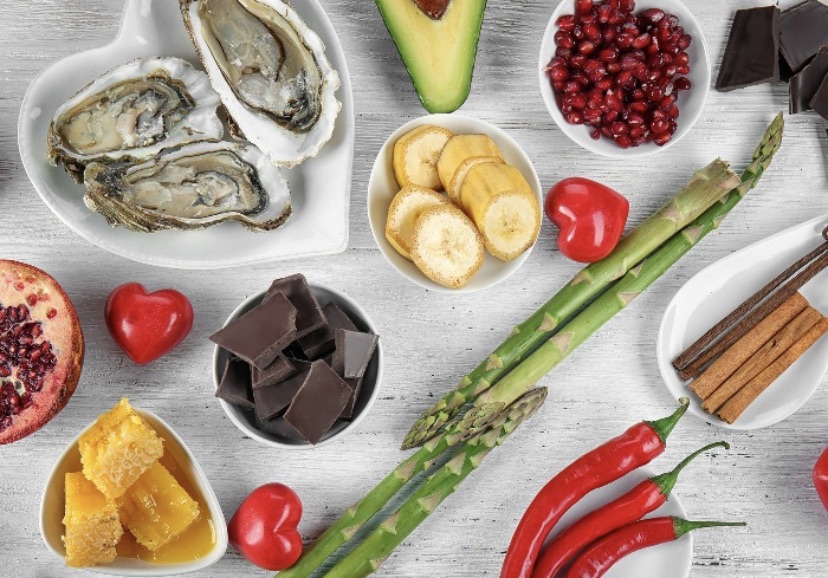
Aphrodisiacs have long been shrouded in mystery, with legends and myths surrounding their origins and potency. From the ancient Aztecs to modern-day cuisine, aphrodisiacs have played a significant role in human culture, promising to ignite passion, desire, and love.
The Legend of Montezuma and the Aztec Roots of Aphrodisiacs
According to legend, the former Aztec ruler Montezuma consumed over 50 cups of chocolate before visiting his harem. This anecdote highlights the significance of chocolate as an aphrodisiac in Aztec culture, where it was revered as a luxury item and a symbol of fertility.
The Luxury of Aphrodisiacs: Truffles, Caviar, and Champagne
Luxury foods like truffles, foie gras, caviar, bone marrow, and champagne have long been associated with aphrodisiac properties. These indulgent delights are often seen as symbols of wealth and opulence, evoking feelings of decadence and pleasure.
The Science Behind Aphrodisiacs: Warming Spices and Stimulating Substances
While the concept of aphrodisiacs may seem mystical, science offers a more rational explanation. Certain substances like cinnamon, ginger, and zinc are known to have warming and stimulating effects on the body, which can, in turn, increase desire and arousal.
Aphrodisiacs in History: Forbidden Love Potions and Medieval Prohibitions
Throughout history, aphrodisiacs have been met with both fascination and fear. In medieval times, herbs and spices like basil, mint, and saffron were forbidden due to their perceived aphrodisiac properties. Similarly, the muhtasib of Seville attempted to prohibit the sale of aphrodisiacs near mosques, fearing they would corrupt the morals of good Muslims.
Rumored Aphrodisiacs: A Guide to Sweets, Spices, and Seductive Delights
For those seeking to ignite passion and desire, the following ingredients and recipes may prove helpful:
- Sweets and spices: chocolate, sandalwood, tarragon, cinnamon, rosemary, lavender, garlic, ginger, vanilla, ginkgo, ginseng, mint, mustard, and chili pepper.
- Miscellaneous proteins: bacon, cheese, eggs, nuts, and turkey.
- Seafood: abalone, clams, blowfish, caviar, conch, sea urchin (uni), salmon, lobster, shrimp, sushi, tuna, mussels, and oysters.
- Produce: truffle, avocado, arugula (rocket), basil, cucumber, pepper, tomato, sea cucumber, pomegranate, celery, fennel, figs, mushrooms, asparagus, avocado, and seaweed.
- Drinks: absinthe, red wine, and coffee.
Recipes to Ignite Passion: Tuna Avocado Tartare and the Love Potion Cocktail
Two recipes stand out as particularly seductive:
- Tuna Avocado Tartare With Caviar: A delicate blend of sushi tuna, avocado, cucumber, and caviar, mixed with soy sauce, vinegar, lemon, wasabi, and olive oil.
- Love Potion Cocktail: A heady mix of gin, lemon juice, St. Germain, Green Chartreuse, and rose water, garnished with caviar powder, rose petals, and lemon zest.
Foods That Suppress Libido: A Guide to Nuts, Alcohol, and Other Desire-Dampening Delights
While aphrodisiacs can ignite passion, certain foods can have the opposite effect. Nuts, alcohol, linseed, licorice root, mint, and soybeans are known to suppress libido.
The Role of Food in Brahmacharya: A Guide to Celibacy and Chastity
In the practice of brahmacharya, food plays a significant role in maintaining awareness and celibacy. Certain foods like onion, garlic, and potato can stimulate sexual desires, while others like rice, rice soup, and milk can help maintain chastity.
Conclusion
The world of aphrodisiacs is a complex tapestry of legend, luxury, and science. While the concept of aphrodisiacs may seem mystical, understanding the role of food in igniting passion and desire can be a powerful tool in the pursuit of love and intimacy.
 Temple Ministries
Leave a comment