
A few weeks ago, I had a profound vision about the Lord coming with fire to the Jews. The vision was accompanied by vivid imagery of mansions with farms, a massive city, and a distinct feeling of being in Eastern Europe. This experience sparked a series of reflections and observations about the connections between names, places, and ideologies.
*The Significance of Azkenazi and the Word Ken*
The name Azkenazi and the word Ken within it caught my attention. Ken seems to be a recurring theme in various names, such as Kennedy, Kinahan, Mc Enroe and McEneaney. This observation led me to wonder about the potential connections between these names and their bearers’ positions in society.
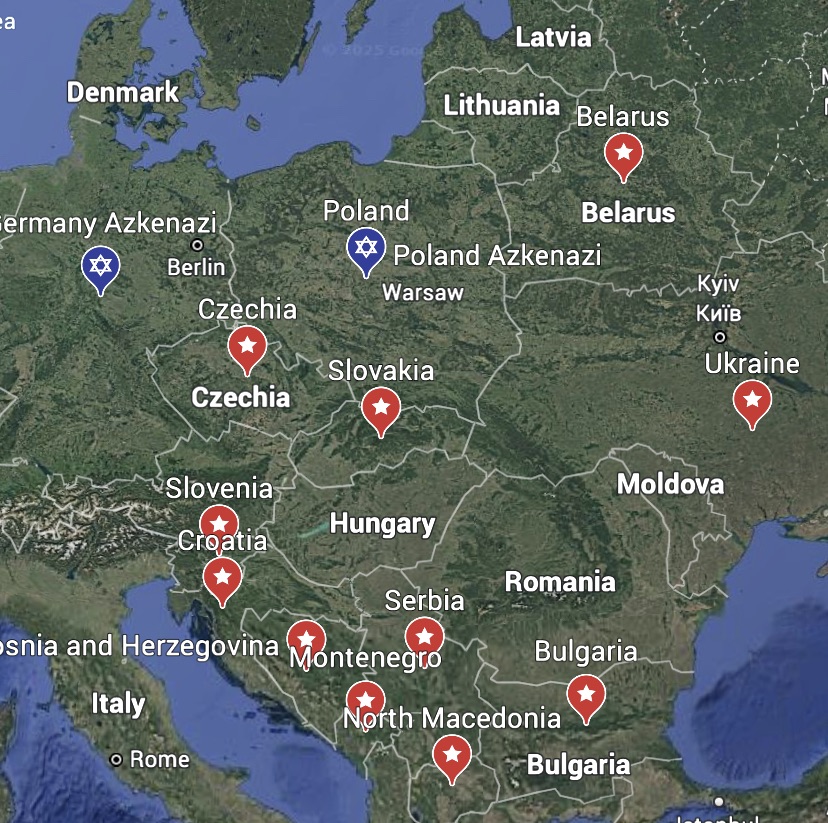
Azkenazi, a term used to describe Jewish people of Eastern European descent, may hold more significance than initially meets the eye. The word Ken, embedded within this name, could be more than just a coincidence. Ken, meaning “knowledge” or “understanding” in Hebrew, may signify a deeper connection to ancient wisdom or mystical knowledge.
*Kanye West, Barack Obama, and the Power of Names*
The name Kanye West and its linguistic likeness to the word Ken are intriguing. Kanye West’s recent single about Hitlerism adds another layer of complexity to this exploration. Furthermore, the phrase “Yes We Can,” popularized by Barack Obama during his presidency, contains the word “Can,” which bears a phonetical similarity to the word Ken.
This raises questions about the power of names and language in shaping our perceptions and realities. Do names hold inherent meaning, or are they simply labels assigned to individuals and groups? The connections between Ken, Kanye West, and Barack Obama’s phrase “Yes We Can” invite us to explore the mysteries of language and its influence on our collective consciousness.
*The Occult Significance of Names*
Influential figures often adopt names that resonate with occult characters in mythology. The names Ra, Isis, and Osiris from ancient Egyptian mythology are examples of this phenomenon. The name Miley Ray Siris, with its deliberate embedding of the ancient Egyptian names “Ra” and “Siris,” raises questions about the intentions behind such naming conventions.
This practice of adopting names with occult significance may be more widespread than we realize. Celebrities, politicians, and other influential figures may be drawn to names that hold mystical or symbolic meaning, often reflecting their values, beliefs, or aspirations.
*The Allegiance of Names*
The use of names like Azkenazi and the deliberate embedding of ancient names in modern ones may indicate allegiance to a particular group or ideology rather than a higher power. This observation prompts a deeper examination of the motivations behind such naming practices.
In the context of my vision, the appearance of Azkenazi and the emphasis on the word Ken may signify a connection to Jewish mysticism or the Kabbalah. However, it also raises questions about the potential allegiance to a particular group or ideology, rather than a universal or spiritual principle.
*Geographical Connections*
The vision’s setting in Eastern Europe, specifically Poland, adds another layer of complexity to this exploration. The presence of the word Yuga in Yugoslavia, a region in the Balkans close to Poland, may indicate a connection to Hindu or polytheistic mythologies.
This geographical connection invites us to explore the historical and cultural ties between Eastern Europe, the Balkans, and the Middle East. The intricate web of influences and exchanges between these regions may hold the key to understanding the mysteries of my vision.
*Conclusion*
The vision and subsequent reflections have led me down a rabbit hole of connections and observations. While the significance of these findings is still unclear, one thing is certain – the power of names and language should not be underestimated.
As we navigate the complexities of our world, it is essential to remain aware of the subtle influences that shape our perceptions and allegiances. By exploring the mysteries of language and the connections between names, places, and ideologies, we may uncover hidden truths about ourselves and the world around us.
 Temple Ministries
Leave a comment